Managing Foreign Employee Tax Obligations in Korea Through Compliant Payroll Systems

Managing Foreign Employee Tax Obligations in Korea Through Compliant Payroll Systems

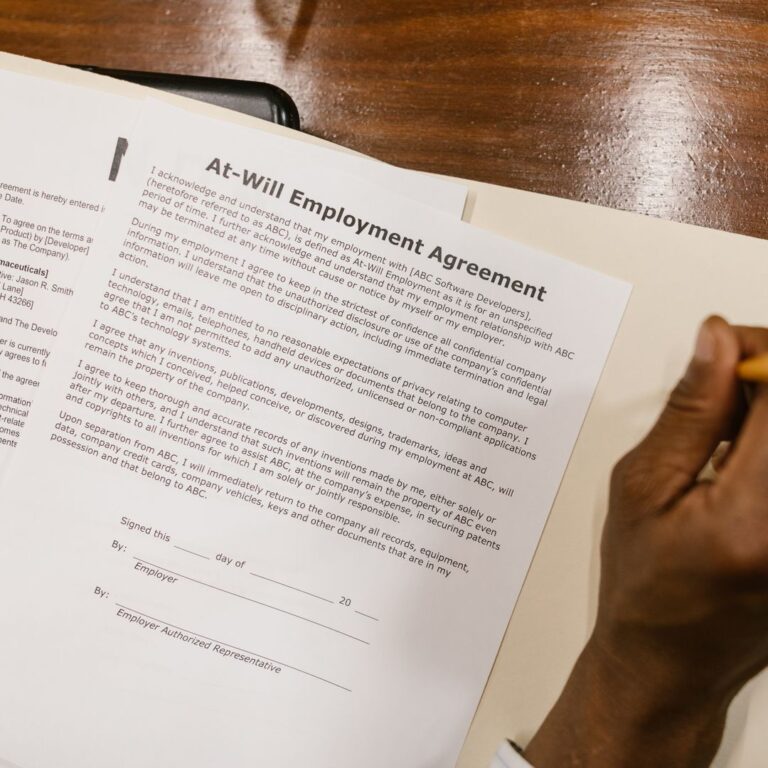
Navigating foreign employee tax obligations Korea requires structured coordination between corporate human resources departments and local tax authorities. Organizations expanding their operations across borders must align internal payroll frameworks with national statutory requirements to avoid financial penalties. Ensuring accurate withholding calculations protects both the corporate entity and the individual worker from unexpected liabilities during annual tax settlement periods.
Managing Industrial Workforce Scaling Through South Korea E-9 Quota Changes and Hiring

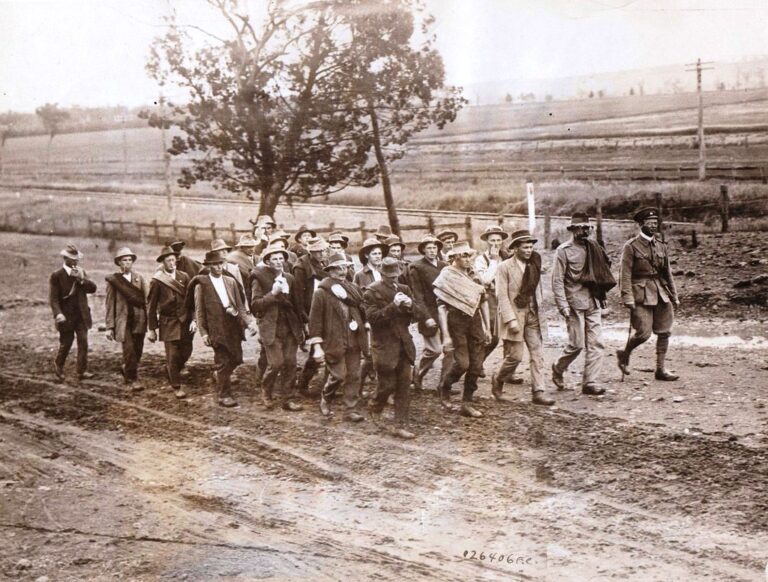
Recent South Korea E-9 quota changes and Hiring adjustments reflect a broader government initiative to address acute labor shortages in the manufacturing, construction, and agricultural sectors. As the Ministry of Employment and Labor (MOEL) modifies the total volume of available permits for non-professional labor, businesses must recalibrate their long-term staffing projections.

Operational Frameworks for Managing E-9 Visa Allocations and Foreign Workforce Integration

Operational Frameworks for Managing E-9 Visa Allocations and Foreign Workforce Integration

Operational Frameworks for Managing E-9 Visa Allocations and Foreign Workforce Integration Recent updates to South Korea E-9 quota changes hiring protocols necessitate a shift in how firms approach their industrial labor strategy. Employers must align their internal recruitment pipelines with …

Read more

Integrating International Talent Through Structured Cultural Orientation in Korea

Integrating International Talent Through Structured Cultural Orientation in Korea

Integrating International Talent Through Structured Cultural Orientation in Korea Effective cultural orientation foreign employees Korea serves as the primary bridge between international recruitment and sustained workforce productivity. Organizations that overlook the importance of acclimation often face higher turnover rates and …

Read more

Regulatory Compliance Adjustments for Foreign Personnel Management Under New Reporting Mandates

Regulatory Compliance Adjustments for Foreign Personnel Management Under New Reporting Mandates

HiKorea employment reporting mandatory 2026 marks a significant transition in how organizations must document and track their foreign workforce. This requirement mandates that employers consistently update the status of their international staff via the government portal to ensure transparency within the labor market.

Strategic Workforce Planning Following South Korea E-9 Quota Changes for Hiring

South Korea E-9 quota changes Hiring adjustments require employers to re-evaluate their long-term labor supply strategies to align with updated government allocations. The Ministry of Employment and Labor periodically reviews these figures to ensure that industrial sectors facing labor shortages …

Read more

Ensuring Regulatory Compliance in Foreign Worker Wage Enforcement Korea

Ensuring Regulatory Compliance in Foreign Worker Wage Enforcement Korea

Strict adherence to Foreign worker wage enforcement Korea remains a foundational responsibility for domestic businesses engaging international talent. Discrepancies in payroll processing or failure to honor contractual financial obligations can trigger immediate regulatory scrutiny and potential administrative sanctions from government authorities.

Operational Adjustments for Agricultural Employers Utilizing the E-8 Seasonal Worker Quota Increase

Operational Adjustments for Agricultural Employers Utilizing the E-8 Seasonal Worker Quota Increase

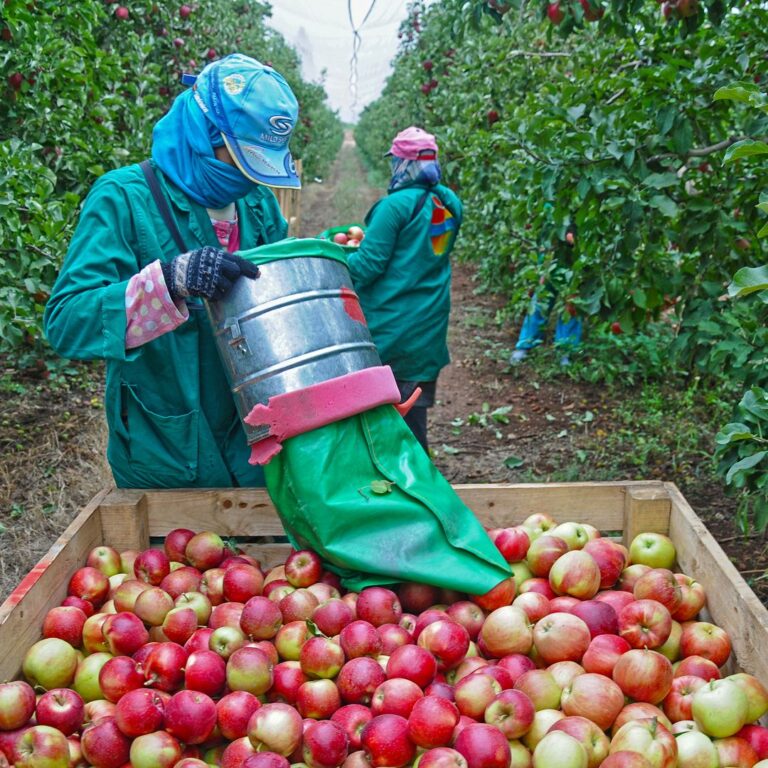
The recent E-8 seasonal worker quota increase provides a vital mechanism for agricultural and fishing enterprises to address acute labor shortages during peak harvest and planting periods. This policy shift reflects a strategic government effort to stabilize the labor supply in rural industries that face structural challenges in sourcing local manpower.

Operational Impacts of South Korea E-9 Quota Changes on Industrial Workforce Planning

Addressing Labor Shortages Through Policy Adjustments South Korea E-9 quota changes Hiring adjustments reflect the government’s ongoing effort to bridge labor gaps in manufacturing, agriculture, and service sectors. Employers relying on the EPS (Employment Permit System), which allows businesses to …

Read more

Employer Responsibilities Regarding Foreign Employee Tax Obligations Korea

Employer Responsibilities Regarding Foreign Employee Tax Obligations Korea

Managing the financial administration for international staff requires a precise understanding of foreign employee tax obligations Korea. Employers operating within the local market must ensure that payroll procedures align with national standards to maintain legal standing and operational continuity.