Navigating Foreign Worker Types South Korea: Employer Visa Classifications and Onboarding Standards
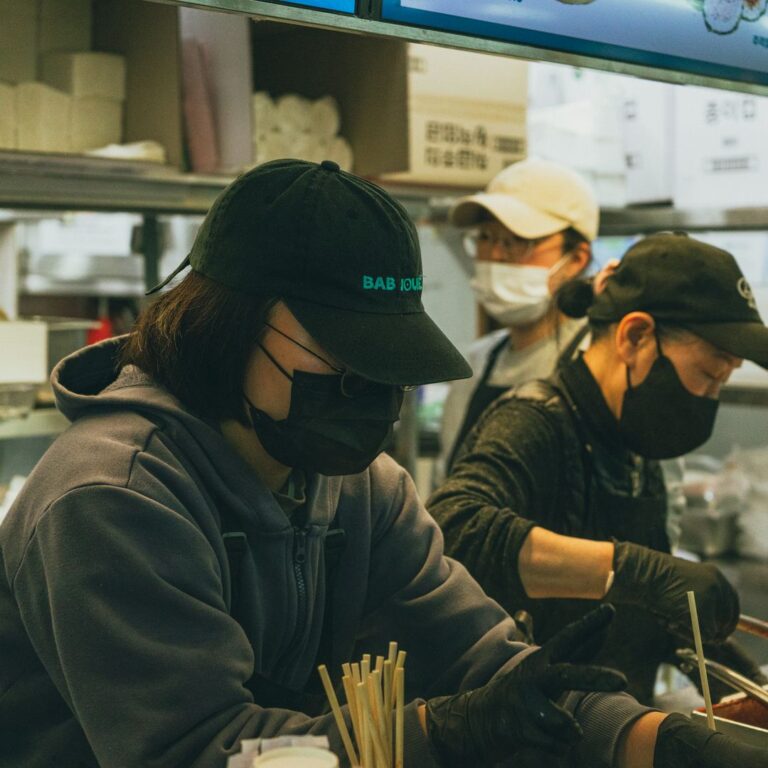
Navigating Foreign Worker Types South Korea: Employer Visa Classifications and Onboarding Standards

Understanding foreign worker types South Korea requires a clear assessment of corporate labor shortages across manufacturing, agriculture, and specialized technical sectors. Employers operating in these industries face strict regulatory thresholds when deciding which visa pathway matches their operational scale and staffing models.
Navigating South Korea E-9 Quota Changes and Hiring Requirements for Industrial Employers

Navigating South Korea E-9 Quota Changes and Hiring Requirements for Industrial Employers

Recent adjustments to the Non-Professional Employment permit program alter how manufacturing, construction, and agricultural enterprises address acute domestic labor shortages. Employers seeking to stabilize their workforce must align their recruitment timelines with official allocations managed by state agencies.

Navigating South Korea E-9 Quota Changes and Hiring Obligations for Employers

Navigating South Korea E-9 Quota Changes and Hiring Obligations for Employers

South Korea E-9 quota changes and hiring adjustments require corporate human resources teams to re-evaluate their staffing models across manufacturing, agriculture, and service sectors. Domestic enterprises facing labor shortages often look toward regulated international channels to fill operational gaps safely.

Managing Industrial Workforce Scaling Through South Korea E-9 Quota Changes and Hiring

Recent South Korea E-9 quota changes and Hiring adjustments reflect a broader government initiative to address acute labor shortages in the manufacturing, construction, and agricultural sectors. As the Ministry of Employment and Labor (MOEL) modifies the total volume of available permits for non-professional labor, businesses must recalibrate their long-term staffing projections.