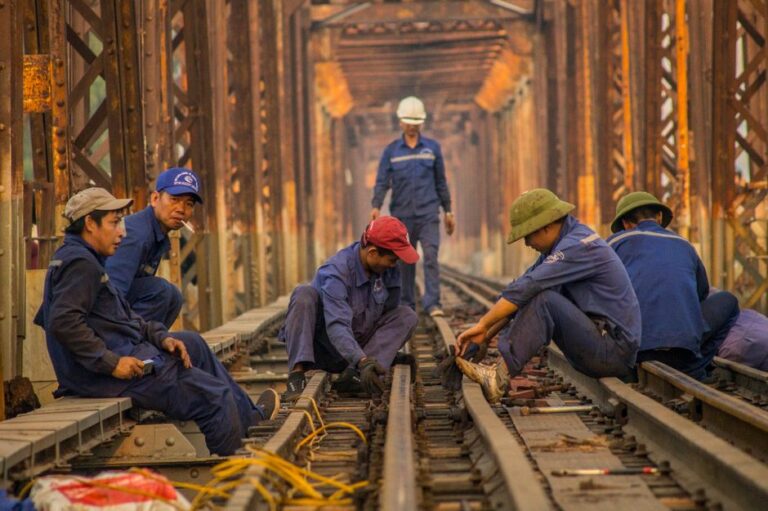
Strategic Implications of South Korea E-9 Quota Changes for Hiring and Workforce Planning

Understanding the Current Labor Allocation Employers must align their operational planning with recent South Korea E-9 quota changes and hiring mandates to maintain stable production levels. The E-9 Non-Professional Employment visa remains a cornerstone for sectors requiring consistent manual labor, …
Read more

Navigating Foreign Worker Types South Korea: Employer Visa Classifications and Onboarding Standards

Navigating Foreign Worker Types South Korea: Employer Visa Classifications and Onboarding Standards

Understanding foreign worker types South Korea requires a clear assessment of corporate labor shortages across manufacturing, agriculture, and specialized technical sectors. Employers operating in these industries face strict regulatory thresholds when deciding which visa pathway matches their operational scale and staffing models.

Navigating South Korea E-9 Quota Changes and Hiring Requirements for Industrial Employers

Navigating South Korea E-9 Quota Changes and Hiring Requirements for Industrial Employers

Recent adjustments to the Non-Professional Employment permit program alter how manufacturing, construction, and agricultural enterprises address acute domestic labor shortages. Employers seeking to stabilize their workforce must align their recruitment timelines with official allocations managed by state agencies.

Navigating Updated Quota Allocations and Compliance for Non-Professional Labor in Korea

Manufacturing, agriculture, and construction sectors in the domestic market face persistent labor shortages that require structured personnel planning. South Korea E-9 quota changes and hiring adjustments dictate how corporate sponsors secure entry-level staff from designated sending countries.

Stabilizing International Workforce Retention Through Structured Sponsorship and Compliance

Addressing foreign worker turnover Korea requires a transition from reactive staffing to a proactive, compliance-driven integration model. Many domestic firms experience high attrition rates because they overlook the correlation between rigorous visa sponsorship workflows and long-term employee engagement. By refining …

Read more

Operational Frameworks for Managing E-9 Visa Allocations and Foreign Workforce Integration

Operational Frameworks for Managing E-9 Visa Allocations and Foreign Workforce Integration

Operational Frameworks for Managing E-9 Visa Allocations and Foreign Workforce Integration Recent updates to South Korea E-9 quota changes hiring protocols necessitate a shift in how firms approach their industrial labor strategy. Employers must align their internal recruitment pipelines with …

Read more

Regulatory Compliance Adjustments for Foreign Personnel Management Under New Reporting Mandates

Regulatory Compliance Adjustments for Foreign Personnel Management Under New Reporting Mandates

HiKorea employment reporting mandatory 2026 marks a significant transition in how organizations must document and track their foreign workforce. This requirement mandates that employers consistently update the status of their international staff via the government portal to ensure transparency within the labor market.

Operational Adjustments for Agricultural Employers Utilizing the E-8 Seasonal Worker Quota Increase

Operational Adjustments for Agricultural Employers Utilizing the E-8 Seasonal Worker Quota Increase

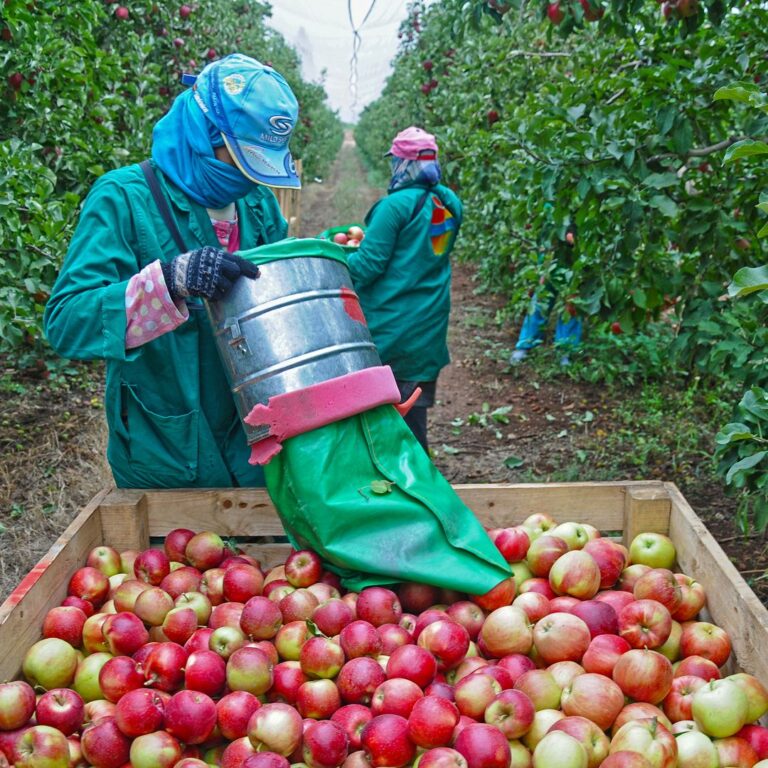
The recent E-8 seasonal worker quota increase provides a vital mechanism for agricultural and fishing enterprises to address acute labor shortages during peak harvest and planting periods. This policy shift reflects a strategic government effort to stabilize the labor supply in rural industries that face structural challenges in sourcing local manpower.

Navigating South Korea E-9 Quota Changes and Hiring Requirements for Corporate Employers

Navigating South Korea E-9 Quota Changes and Hiring Requirements for Corporate Employers

Navigating South Korea E-9 quota changes and hiring structures requires manufacturing and agricultural employers to re-evaluate their annual headcount forecasting. Adjustments to foreign labor limits directly affect how organizations plan production schedules and seasonal output volume.

Managing Foreign Worker Cultural Integration Korea Through Structured Onboarding and Compliance

Managing Foreign Worker Cultural Integration Korea Through Structured Onboarding and Compliance

Foreign worker cultural integration Korea requires deliberate administrative frameworks rather than informal social adaptation alone. Organizations expanding their teams across borders often face unexpected retention challenges when onboarding processes lack structured support systems.