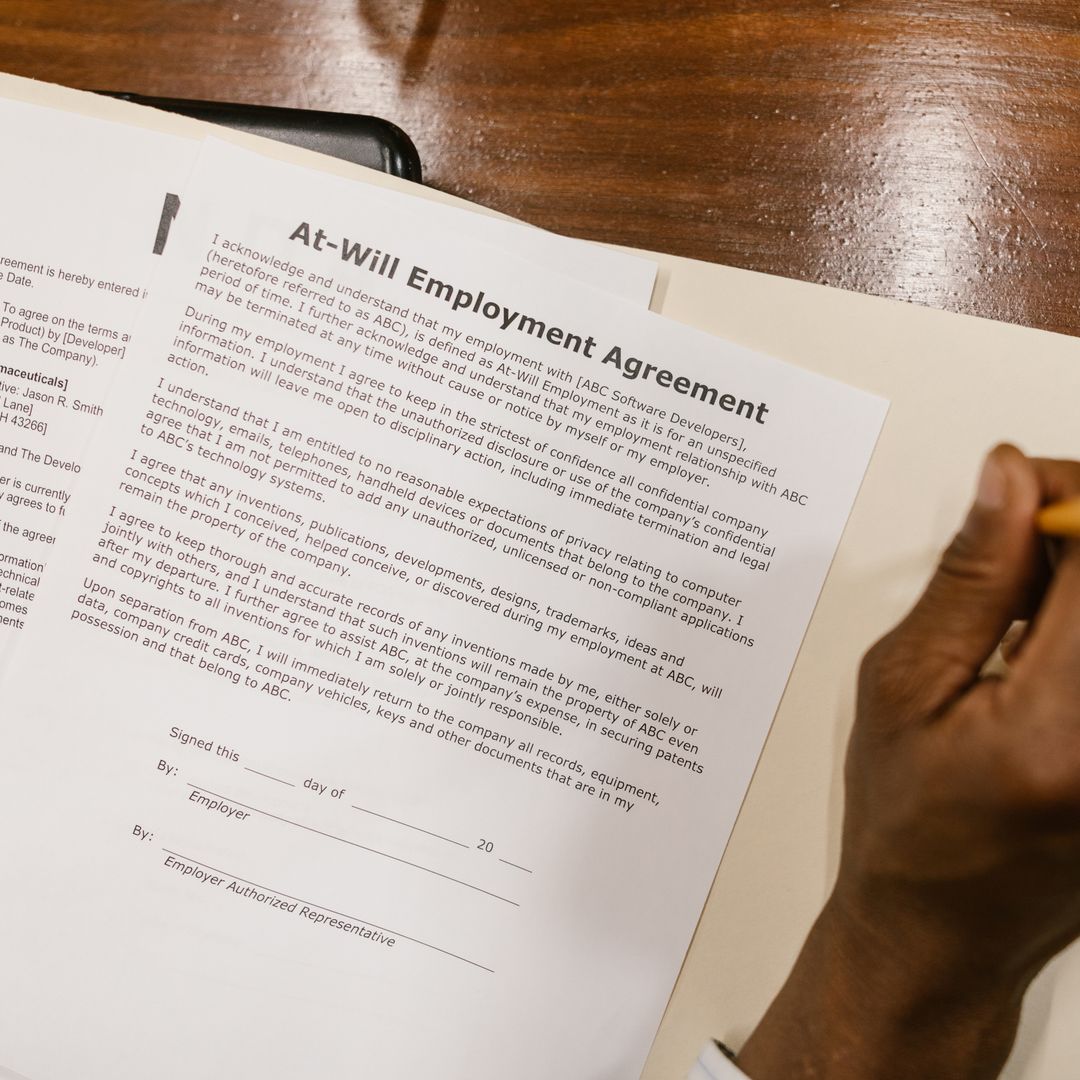
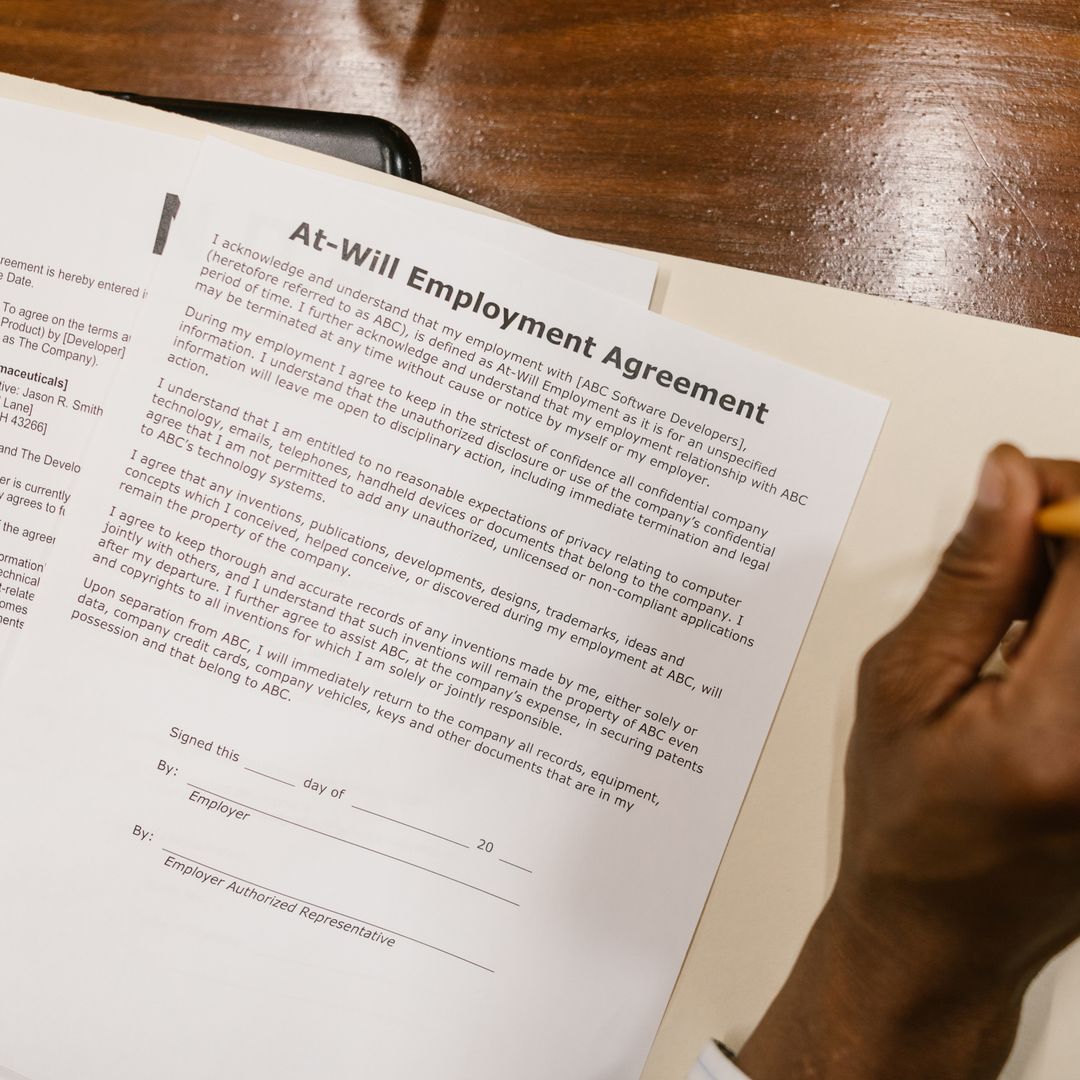
HiKorea employment reporting mandatory 2026 marks a significant transition in how organizations must document and track their foreign workforce. This requirement mandates that employers consistently update the status of their international staff via the government portal to ensure transparency within the labor market.
Establishing Employer Responsibilities for Global Talent
Organizations operating in Korea are tasked with maintaining accurate records for all non-citizen employees. This administrative duty ensures that the government can monitor visa adherence and workplace conditions effectively.
- Data Accuracy: Employers must verify that all personal and professional details match the documentation submitted during the Global Recruitment phase.
- Timely Updates: Any change in employment status, including contract termination or position shifts, requires immediate submission to the authorities.
- Transparency: Maintaining a clear audit trail helps mitigate risks during government inspections or labor audits.
Alignment Between Visa Sponsorship and Role Requirements
The Ministry of Employment and Labor (https://www.moel.go.kr/english) emphasizes the necessity of matching job descriptions with the specific visa categories held by international staff. When a company initiates Hiring, they must ensure the professional duties align with the conditions authorized by the Korean immigration authorities.
| Visa Type | Sponsorship Focus | Reporting Priority |
|---|---|---|
| E-7 (Professional) | Specialized skills and degree verification | High |
| E-9 (Non-professional) | Government-led quotas and placement | High |
| D-10 (Job Seeking) | Transition and temporary status monitoring | Moderate |
Standardizing the Onboarding and Compliance Workflow
Effective onboarding extends beyond initial training to encompass strict regulatory compliance. HR departments should implement a structured checklist that covers all legal obligations, ensuring that no reporting deadlines are missed during the employee transition period.
Following a unified process reduces the risk of administrative errors that could lead to penalties. Consistent internal audits of personnel files are essential to maintaining compliance with the latest government standards.
Integrating Compensation and Legal Standards
Determining the appropriate Salary for international hires requires a deep understanding of local labor laws and industry benchmarks. Employers are expected to provide remuneration that meets minimum wage standards while accounting for the specific skill sets of the individual.
Ensuring that payroll systems are transparent and compliant with tax regulations is a critical component of successful Employment management. Any discrepancy in payment records can lead to complications during the mandatory reporting process, underscoring the need for meticulous financial oversight.
Official Resources and Institutional Guidance
The Ministry of Employment and Labor and HRD Korea (https://www.hrdkorea.or.kr/eng) provide necessary guidelines for companies navigating these administrative requirements. Utilizing these official channels ensures that your organization stays informed about policy shifts and procedural updates.
Regular review of these platforms will help HR teams adapt to new mandates without disruption. Maintaining a direct line of communication with designated government representatives can also clarify specific requirements for specialized industries.
자주 묻는 질문 (FAQ)
What is the primary purpose of the new reporting mandate?
The mandate aims to increase transparency in the foreign labor market by requiring employers to consistently track and update the status of international staff.
Which government bodies provide guidance on these regulations?
The Ministry of Employment and Labor and HRD Korea serve as the primary sources for regulatory guidelines and compliance procedures.
How does this affect the onboarding process for international hires?
Onboarding must now incorporate specific administrative steps to ensure all employment data is accurately reported within the required timelines.
Are there consequences for failing to report employment changes?
Failure to comply with mandatory reporting may lead to administrative penalties and complications during labor audits or visa renewals.
Get in Touch
Have questions about your specific situation? Reach out anytime for a personal consultation.