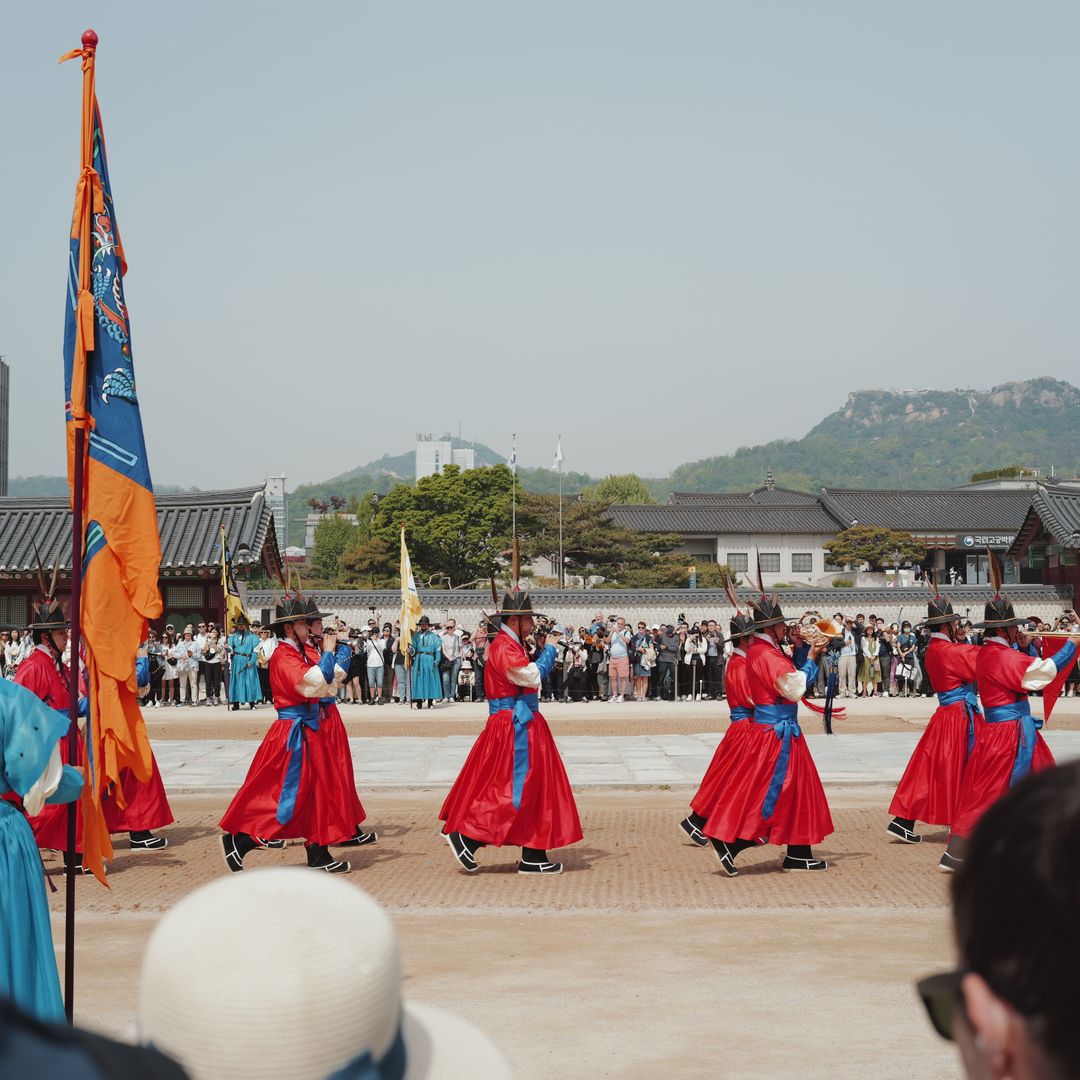

Effective cultural orientation foreign employees Korea serves as the primary bridge between international recruitment and sustained workforce productivity. Organizations that overlook the importance of acclimation often face higher turnover rates and misaligned expectations regarding workplace communication styles. By standardizing the introduction of local professional norms, employers minimize friction during the critical first phase of the Hiring process.
Professional integration necessitates a clear understanding of the local hierarchy, meeting etiquette, and office dynamics. When a new team member joins, they are navigating not just a new job description but a distinct social ecosystem. Providing structured guidance on these nuances ensures that the Foreign Worker feels supported, which directly impacts their long-term commitment to the organization.
| Orientation Focus | Primary Objective | Expected Outcome |
|---|---|---|
| Communication Norms | Clarify indirect vs. direct feedback | Reduced interpersonal conflict |
| Hierarchical Structure | Explain office reporting lines | Improved decision-making speed |
| Performance Feedback | Detail evaluation criteria | Clearer individual goal alignment |
| Regulatory Basics | Outline legal worker obligations | Enhanced compliance awareness |
Employers must align their sponsorship workflows with the specific requirements set by the Ministry of Employment and Labor (https://www.moel.go.kr/english). This alignment ensures that administrative burdens, such as visa renewals or status changes, do not interfere with the employee’s professional performance. Sponsorship is not merely a legal filing but a commitment to the employee’s stability within the local market.
The recruitment lifecycle requires rigorous adherence to labor laws to protect both the firm and the individual. Legal compliance involves transparent documentation, clear Salary disclosures, and adherence to established working hour regulations. Employers who treat these standards as foundational elements of their talent strategy experience fewer disputes and higher retention across their international departments.
Establishing a consistent compensation framework is critical for maintaining parity and internal equity. HR teams should rely on updated benchmarks to ensure that packages remain competitive while remaining fully compliant with local labor standards. Organizations that provide comprehensive benefits packages alongside clear orientation programs generally see greater success in long-term talent retention.
Onboarding serves as the functional extension of the orientation process. During this stage, companies provide the necessary tools, access, and introductions to key stakeholders. Successful onboarding programs often include mentorship, where a seasoned team member acts as a cultural guide for the new hire. This practice is essential for navigating the complexities of Employment in a cross-cultural professional setting.
HRD Korea (https://www.hrdkorea.or.kr/eng) offers various resources that assist firms in managing the complexities of a diverse workforce. Leveraging these official materials can help HR leaders design more effective, legally sound training programs for incoming staff. By utilizing these government-backed resources, firms demonstrate a proactive approach to maintaining high standards of workplace welfare and legal adherence.
Clear expectations set during the first month prevent the most common pitfalls of cross-border recruitment. Employers should prioritize the following areas to ensure success:
- Transparent Communication: Explicitly define expectations regarding working hours and overtime.
- Conflict Resolution: Provide clear channels for reporting issues or asking questions about local work culture.
- Mentorship Systems: Pair new employees with colleagues who can provide real-time guidance on office norms.
- Resource Access: Ensure every employee has direct access to the relevant labor handbooks and internal policy documentation.
Consistent investment in the initial training phase pays dividends in operational efficiency. Firms that treat the integration process as a core business function rather than a secondary HR task build stronger, more resilient international teams. This holistic approach ensures that the recruitment investment is protected by a foundation of mutual understanding and respect.
자주 묻는 질문 (FAQ)
What is the most important element of an orientation program for international staff?
The most important element is the clear, transparent communication of expectations regarding local communication styles, office hierarchy, and legal obligations.
How does cultural orientation impact legal compliance?
By educating employees on local workplace laws and their specific responsibilities, firms reduce the risk of accidental non-compliance and labor disputes.
Where can employers find official guidance on foreign worker management?
Employers should consult the Ministry of Employment and Labor and HRD Korea for authoritative resources, legal updates, and best practices for managing international talent.
Should the orientation program be separate from the standard onboarding process?
While they serve different purposes, the two should be integrated; cultural orientation provides the context, while onboarding provides the operational tools to succeed.
Get in Touch
Have questions about your specific situation? Reach out anytime for a personal consultation.