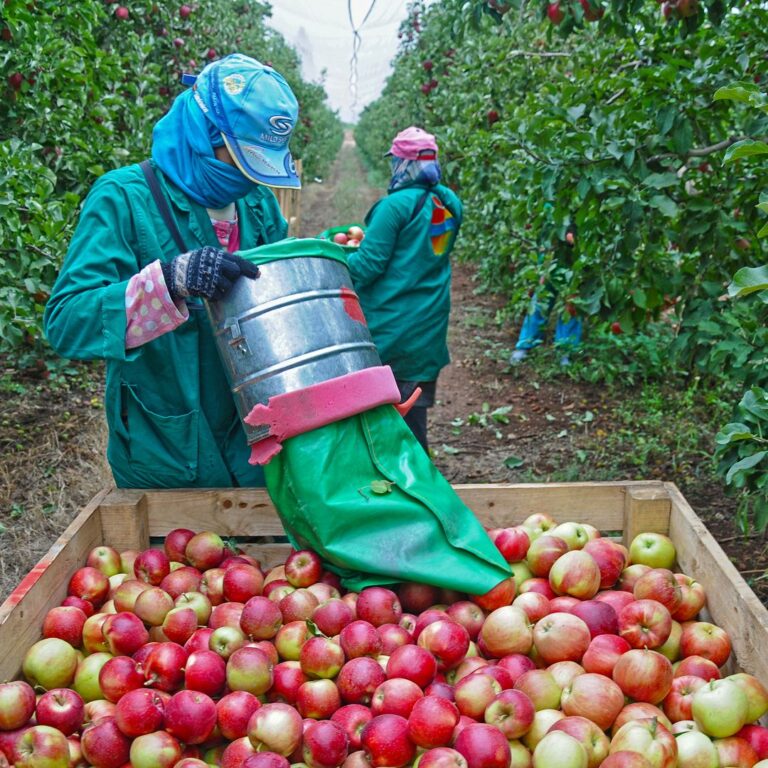
Navigating Foreign Worker Types South Korea: Employer Visa Classifications and Onboarding Standards
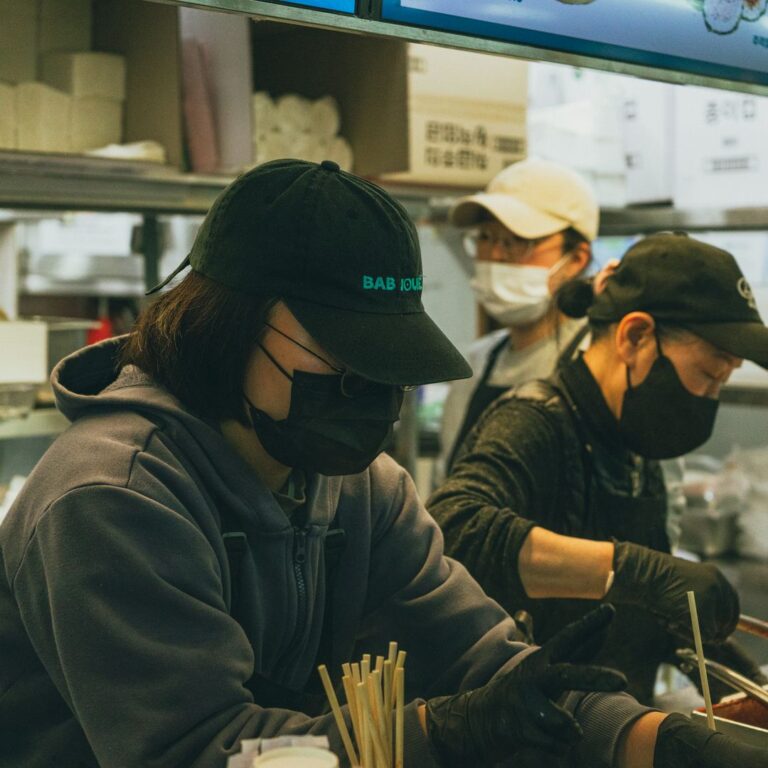
Navigating Foreign Worker Types South Korea: Employer Visa Classifications and Onboarding Standards

Understanding foreign worker types South Korea requires a clear assessment of corporate labor shortages across manufacturing, agriculture, and specialized technical sectors. Employers operating in these industries face strict regulatory thresholds when deciding which visa pathway matches their operational scale and staffing models.


Mandatory Safety Protocols and Employer Responsibilities for Foreign Workforce Integration

Employer Obligations and Workplace Risk Mitigation Foreign worker safety training Korea is a statutory requirement for companies employing non-Korean nationals, functioning as a critical component of national industrial accident prevention. Employers who fail to provide consistent, comprehensible safety instruction risk …

Read more

Strategic Management of E-7 Visa Sponsorship for Corporate Recruitment

Strategic Management of E-7 Visa Sponsorship for Corporate Recruitment

Strategic Management of E-7 Visa Sponsorship for Corporate Recruitment Securing professional personnel from abroad requires a methodical Employer E-7 visa sponsorship guide to ensure that organizational needs align with immigration regulations. The E-7 visa (Specially Designated Activities) is intended for …

Read more

Stabilizing International Workforce Retention Through Structured Sponsorship and Compliance

Addressing foreign worker turnover Korea requires a transition from reactive staffing to a proactive, compliance-driven integration model. Many domestic firms experience high attrition rates because they overlook the correlation between rigorous visa sponsorship workflows and long-term employee engagement. By refining …

Read more

Ensuring Regulatory Compliance in Foreign Worker Wage Enforcement Korea

Ensuring Regulatory Compliance in Foreign Worker Wage Enforcement Korea

Strict adherence to Foreign worker wage enforcement Korea remains a foundational responsibility for domestic businesses engaging international talent. Discrepancies in payroll processing or failure to honor contractual financial obligations can trigger immediate regulatory scrutiny and potential administrative sanctions from government authorities.

Operational Adjustments for Agricultural Employers Utilizing the E-8 Seasonal Worker Quota Increase

Operational Adjustments for Agricultural Employers Utilizing the E-8 Seasonal Worker Quota Increase

The recent E-8 seasonal worker quota increase provides a vital mechanism for agricultural and fishing enterprises to address acute labor shortages during peak harvest and planting periods. This policy shift reflects a strategic government effort to stabilize the labor supply in rural industries that face structural challenges in sourcing local manpower.