Bridging Workplace Gaps Through Structured Cultural Orientation for Foreign Employees in Korea

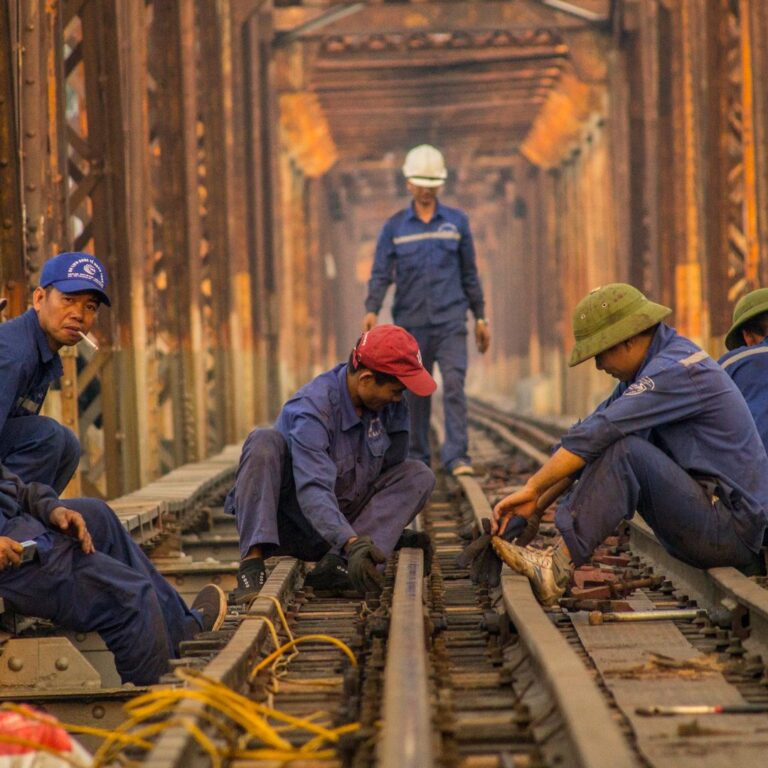
Cultural orientation foreign employees Korea plays a decisive role in stabilizing international workforce retention and preventing early departures. When organizations fail to address foundational adjustment periods, productivity stalls and turnover rises across specialized departments.

Adapting to South Korea E-9 Quota Changes and Streamlining International Hiring

Adapting to South Korea E-9 Quota Changes and Streamlining International Hiring

South Korea E-9 quota changes Hiring adjustments require manufacturing, agriculture, and construction enterprises to rethink how they manage workforce shortages. Domestic labor constraints across regional hubs make structural talent acquisition essential for operational continuity. Organizations facing persistent staffing gaps must review updated government caps before initiating new recruitment campaigns.

Calculating Korean Severance Pay for Foreign Workers Under Labor Standards Act

Calculating Korean Severance Pay for Foreign Workers Under Labor Standards Act

Managing employee departures requires strict adherence to statutory financial liabilities set by local labor laws. Korean severance pay foreign workers represent a mandatory obligation for organizations operating within the jurisdiction of the national labor authority.

Navigating Skilled Foreign Workers Korea Shortage Through Structured Visa Sponsorship and Compliance

Navigating Skilled Foreign Workers Korea Shortage Through Structured Visa Sponsorship and Compliance

Domestic companies face acute labor deficits across manufacturing, engineering, and specialized technical fields as demographic shifts alter the national workforce. Finding qualified professionals locally has grown increasingly difficult for human resource teams operating in competitive metropolitan and regional hubs. Addressing the skilled foreign workers Korea shortage requires a deliberate strategy that bridges local talent demands with internationally sourced professionals.

Industrial Labor Sourcing Adjustments Following South Korea E-9 Quota Changes and Hiring Revisions

Manufacturing, construction, and agricultural operations across the country face ongoing domestic labor shortages that require structured international staffing solutions. Companies turning to non-professional visa streams must align their staffing schedules with government allocation schedules to maintain operational capacity.

Corporate Workforce Adjustments Following South Korea E-9 Quota Changes and Hiring Mandates

Industrial sectors across the country face shrinking domestic labor pools, compelling human resources departments to reassess their operational dependencies. South Korea E-9 quota changes and hiring mandates require corporate sponsors to re-evaluate their annual staffing projections well in advance of official application windows.

Corporate Workforce Planning Strategies for South Korea E-9 Quota Changes and Hiring Mandates

South Korean manufacturing and agricultural enterprises face tightened labor supply timelines as national employment caps shift for non-professional foreign workers. Managing these adjustments requires a clear understanding of sector-specific allocations managed through official state channels.

Navigating South Korea E-9 Quota Changes and Hiring Mandates for Corporate Sponsors

Navigating South Korea E-9 Quota Changes and Hiring Mandates for Corporate Sponsors

South Korea E-9 quota changes and hiring strategies require immediate operational adjustments as manufacturing, agriculture, and construction sectors face persistent domestic labor shortages. Manufacturing enterprises and service sector operators frequently rely on non-professional employment permits to sustain baseline operational capacity across regional facilities.

Navigating South Korea E-9 Quota Changes and Hiring Obligations for Employers

Navigating South Korea E-9 Quota Changes and Hiring Obligations for Employers

South Korea E-9 quota changes and hiring adjustments require corporate human resources teams to re-evaluate their staffing models across manufacturing, agriculture, and service sectors. Domestic enterprises facing labor shortages often look toward regulated international channels to fill operational gaps safely.

Managing Industrial Workforce Scaling Through South Korea E-9 Quota Changes and Hiring

Recent South Korea E-9 quota changes and Hiring adjustments reflect a broader government initiative to address acute labor shortages in the manufacturing, construction, and agricultural sectors. As the Ministry of Employment and Labor (MOEL) modifies the total volume of available permits for non-professional labor, businesses must recalibrate their long-term staffing projections.