Adapting to South Korea E-9 Quota Changes and Streamlining International Hiring

Adapting to South Korea E-9 Quota Changes and Streamlining International Hiring

South Korea E-9 quota changes Hiring adjustments require manufacturing, agriculture, and construction enterprises to rethink how they manage workforce shortages. Domestic labor constraints across regional hubs make structural talent acquisition essential for operational continuity. Organizations facing persistent staffing gaps must review updated government caps before initiating new recruitment campaigns.
Navigating Skilled Foreign Workers Korea Shortage Through Structured Visa Sponsorship and Compliance

Navigating Skilled Foreign Workers Korea Shortage Through Structured Visa Sponsorship and Compliance

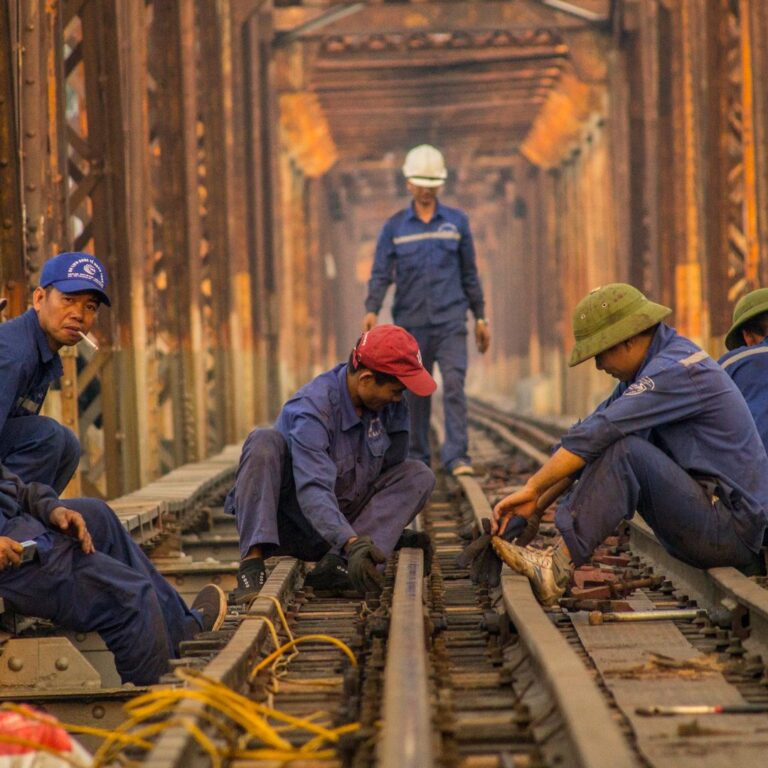
Domestic companies face acute labor deficits across manufacturing, engineering, and specialized technical fields as demographic shifts alter the national workforce. Finding qualified professionals locally has grown increasingly difficult for human resource teams operating in competitive metropolitan and regional hubs. Addressing the skilled foreign workers Korea shortage requires a deliberate strategy that bridges local talent demands with internationally sourced professionals.

Navigating South Korea E-9 Quota Changes and Hiring Mandates for Corporate Sponsors

Navigating South Korea E-9 Quota Changes and Hiring Mandates for Corporate Sponsors

South Korea E-9 quota changes and hiring strategies require immediate operational adjustments as manufacturing, agriculture, and construction sectors face persistent domestic labor shortages. Manufacturing enterprises and service sector operators frequently rely on non-professional employment permits to sustain baseline operational capacity across regional facilities.