Compliance Requirements for Foreign Worker Housing Standards in Korea
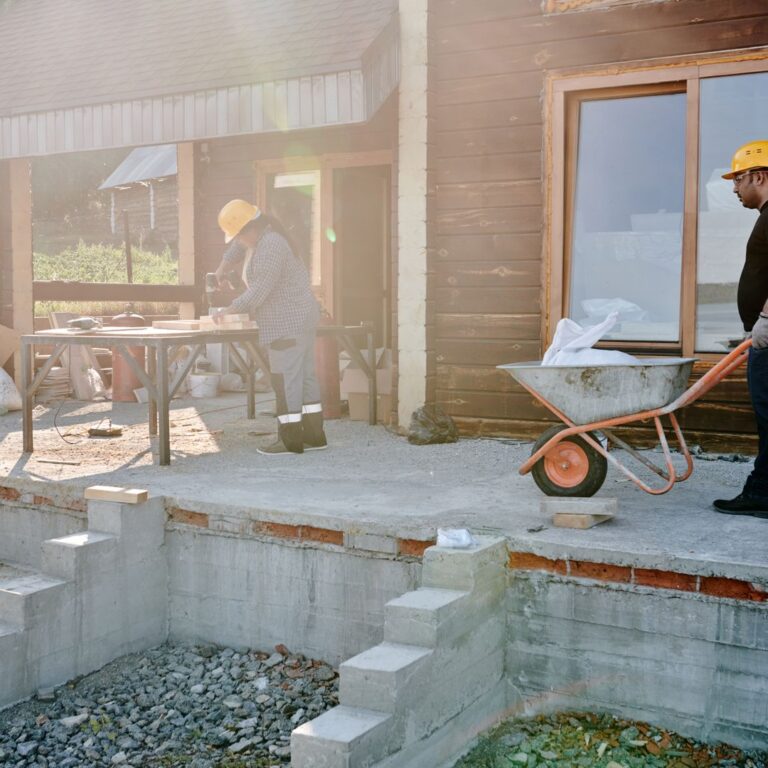
Compliance Requirements for Foreign Worker Housing Standards in Korea

Compliance Requirements for Foreign Worker Housing Standards in Korea Employer Obligations for Residential Infrastructure Foreign worker housing standards Korea require employers to provide accommodation that meets specific safety, hygiene, and privacy criteria as defined by the Ministry of Employment and …

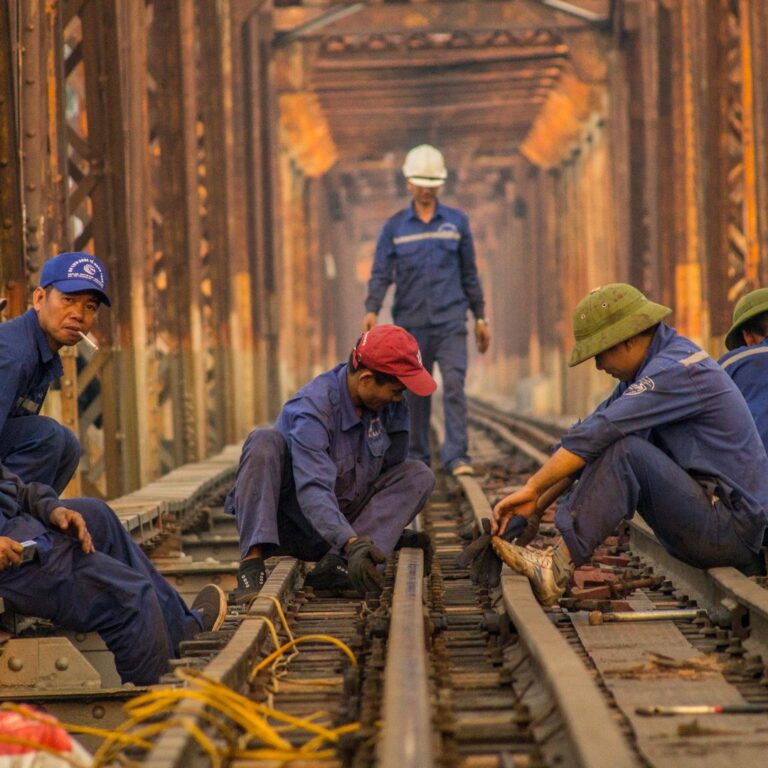
Read more

Corporate Workforce Planning Strategies for South Korea E-9 Quota Changes and Hiring Mandates

South Korean manufacturing and agricultural enterprises face tightened labor supply timelines as national employment caps shift for non-professional foreign workers. Managing these adjustments requires a clear understanding of sector-specific allocations managed through official state channels.

Navigating South Korea E-9 Quota Changes and Hiring Protocols for Employers

Navigating South Korea E-9 Quota Changes and Hiring Protocols for Employers

South Korea E-9 quota changes and hiring strategies require continuous alignment with government limits as manufacturing, agriculture, and construction sectors face shifting labor demands. Employers must monitor shifts in government-allocated allowances to secure necessary non-professional personnel legally and efficiently.

Adjusting Corporate Workforce Planning to South Korea E-9 Quota Changes and Hiring Mandates

Recent policy adjustments regarding South Korea E-9 quota changes and hiring thresholds directly impact manufacturing, construction, and agriculture sectors facing severe domestic labor shortages. Corporate human resources teams must evaluate their operational capacity against government-allocated foreign worker ceilings to maintain continuous production schedules.

Addressing the Skilled Foreign Workers Korea Shortage Through Corporate Visa Sponsorship and Compliance

Addressing the Skilled Foreign Workers Korea Shortage Through Corporate Visa Sponsorship and Compliance

Addressing the skilled foreign workers Korea shortage requires domestic enterprises to look beyond local talent pools and restructure their human resource frameworks. Demographic shifts and rising technical demands leave numerous industries struggling to maintain operational capacity without international recruitment channels.

Industrial Workforce Scaling and Regulatory Adjustments Under South Korea E-9 Quota Changes and Hiring Mandates

Adapting industrial operations to South Korea E-9 quota changes and hiring adjustments requires human resources teams to recalibrate their annual labor planning. Manufacturing, construction, and agricultural sectors face distinct numerical caps that dictate how many international non-professional laborers an enterprise can legally sponsor.

Operational Guidelines for Employers Adapting to South Korea E-9 Quota Changes and Hiring

South Korea E-9 quota changes Hiring adjustments require employers to re-evaluate their current labor capacity and long-term workforce planning. Recent policy updates administered by the Ministry of Employment and Labor (MOEL) reflect a shift toward sectoral-specific labor needs, affecting industries …

Read more

Corporate Compliance Updates for Managing E-7 Visa Salary Thresholds 2026

Corporate Compliance Updates for Managing E-7 Visa Salary Thresholds 2026

South Korean corporate entities face mounting pressure to secure specialized overseas professionals as domestic talent pools tighten across key technology and engineering sectors. Meeting these staffing needs requires strict adherence to updated financial mandates enforced by immigration authorities.

Navigating Updated Quota Allocations and Compliance for Non-Professional Labor in Korea

Manufacturing, agriculture, and construction sectors in the domestic market face persistent labor shortages that require structured personnel planning. South Korea E-9 quota changes and hiring adjustments dictate how corporate sponsors secure entry-level staff from designated sending countries.

Operational Planning for Corporate Sponsors Facing South Korea E-9 Quota Changes and Hiring Mandates

Industrial sectors across the country face persistent labor shortages that require strategic adjustments to staffing pipelines. Adapting human resource operations to government-mandated staffing ceilings ensures that manufacturing, construction, and agricultural enterprises maintain stable operational output without violating local labor regulations.