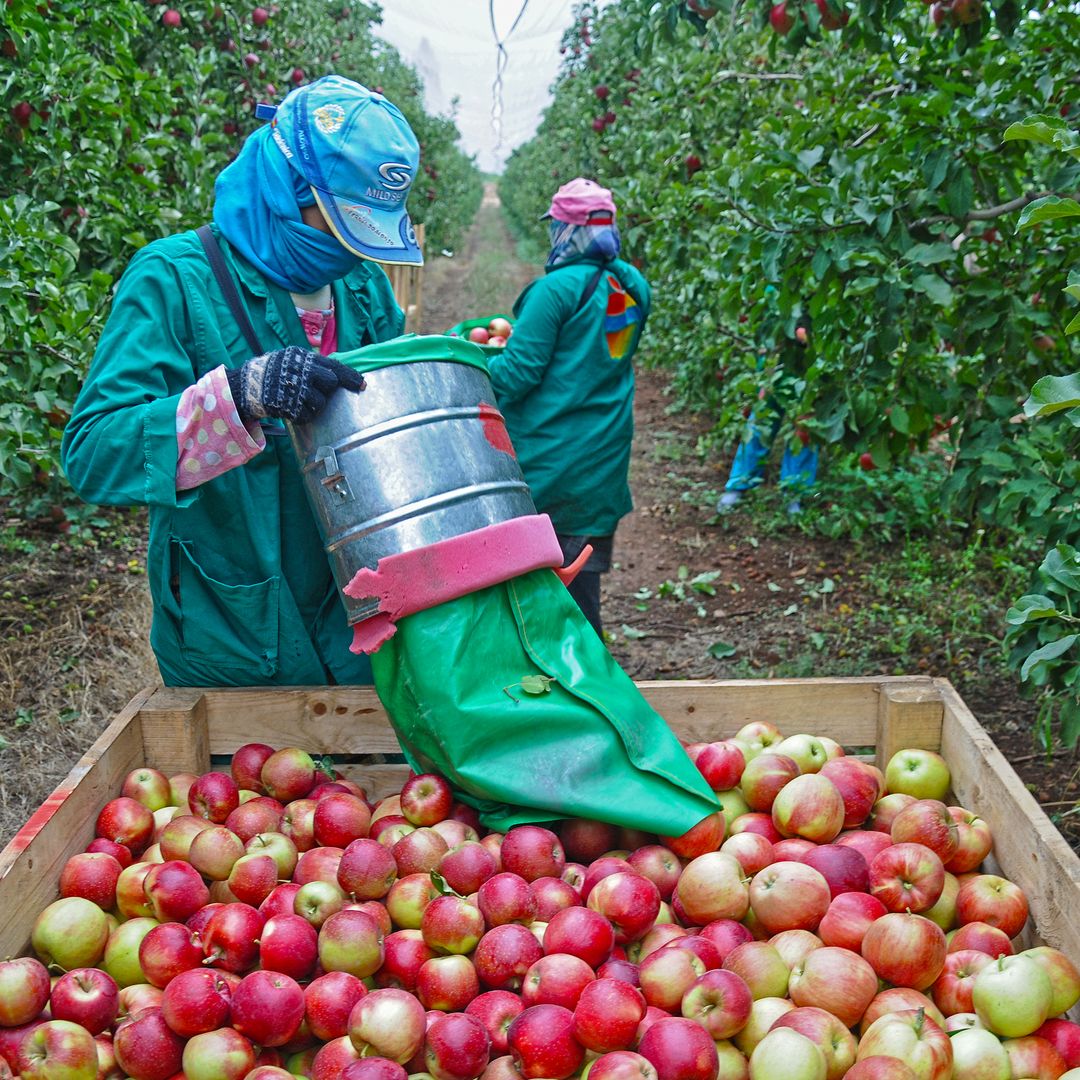
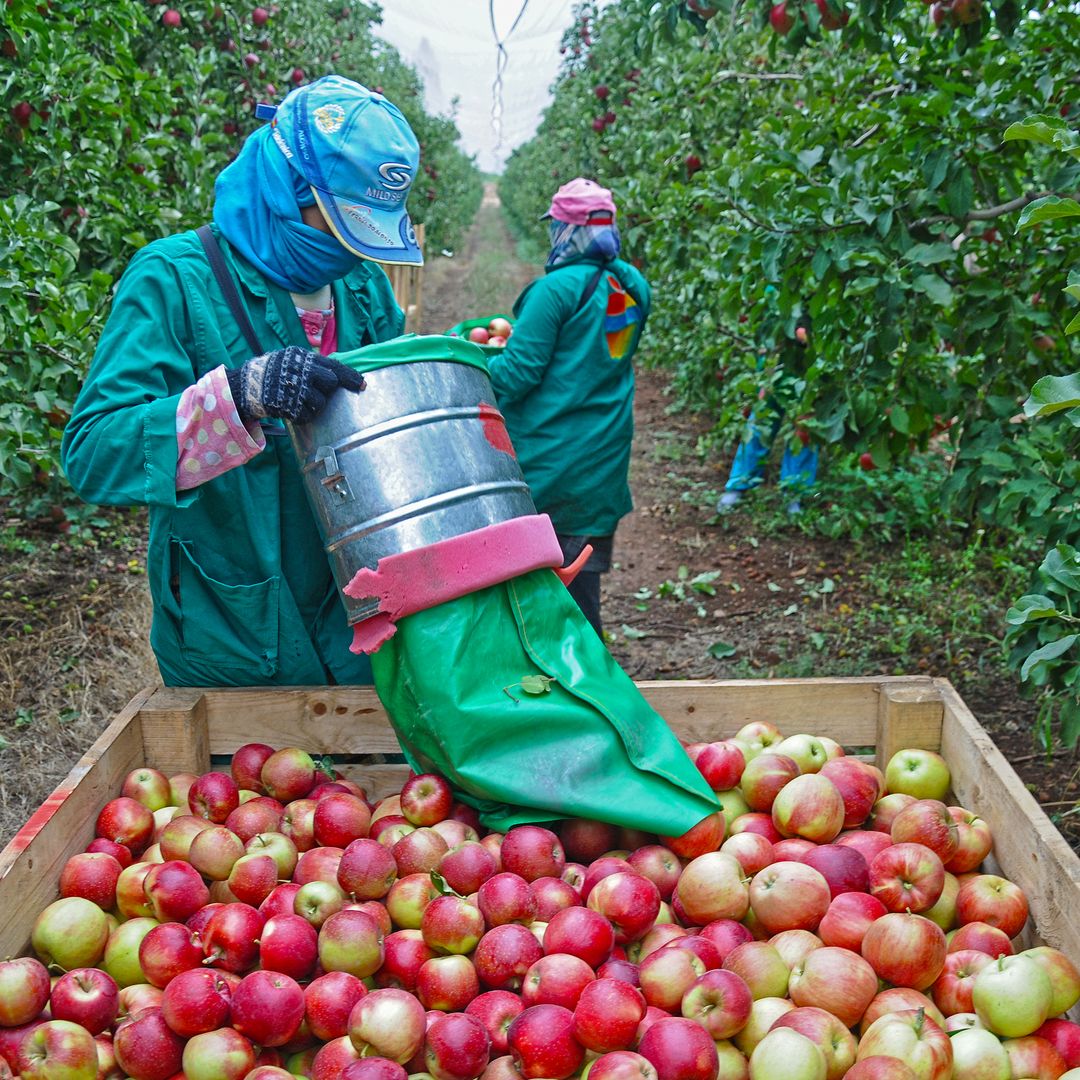
The recent E-8 seasonal worker quota increase provides a vital mechanism for agricultural and fishing enterprises to address acute labor shortages during peak harvest and planting periods. This policy shift reflects a strategic government effort to stabilize the labor supply in rural industries that face structural challenges in sourcing local manpower.
Meeting Seasonal Labor Demands
Employers in the agricultural sector often face high-intensity, short-term labor needs that cannot be fulfilled through standard year-round staffing models. The expansion of this visa category allows businesses to bridge these critical gaps by engaging international workers for defined periods, ensuring that productivity remains consistent during harvest cycles.
- Short-term scalability: Employers can adjust their workforce size based on specific crop cycles rather than committing to long-term payroll obligations.
- Industry focus: The program is strictly limited to sectors identified by the government as requiring seasonal labor, such as specialized farming and coastal aquaculture.
- Sponsorship alignment: Local governments facilitate the matching process, reducing the direct administrative burden on individual small-scale farms.
Sponsorship and Recruitment Workflows
Navigating the hiring landscape for seasonal labor requires a clear understanding of the sponsorship structure. Unlike industrial visas that focus on long-term residency, this program emphasizes a temporary, cycle-based engagement model where the employer must maintain strict adherence to local labor regulations.
Employers interested in this program must consult with local administrative bodies that act as the primary intermediaries. Proper planning involves verifying the eligibility of the farm or business site before initiating the documentation process, as compliance standards for a Foreign Worker remain rigorous regardless of the contract duration.
Compliance and Regulatory Standards
Maintaining compliance is the most significant responsibility for any employer participating in the seasonal worker scheme. The Ministry of Employment and Labor provides clear guidelines on the treatment of these workers, including mandatory safety training and the provision of appropriate living facilities.
| Compliance Category | Primary Requirement | Reporting Authority |
|---|---|---|
| Workplace Safety | Mandatory accident prevention training | Ministry of Employment and Labor |
| Contractual Terms | Adherence to standard wage scales | Local Government Office |
| Living Conditions | Verified, sanitary housing accommodations | HRD Korea |
Compensation and Onboarding Requirements
Fair compensation is not merely a legal obligation but a core component of sustainable labor management. Employers are expected to provide a salary that aligns with the minimum wage standards set annually by the government, ensuring that all deductions are transparent and documented. Effective onboarding for these workers should focus on rapid integration, including language support and clear communication of duties.
A structured employment environment minimizes the risk of labor disputes and operational inefficiencies. Employers should designate a supervisor responsible for monitoring the workers’ welfare and ensuring that daily tasks are performed safely according to the established project scope.
Official Resources for Employers
To ensure all actions remain within the legal framework, employers should frequently reference the official portals provided by the government. The Ministry of Employment and Labor (https://www.moel.go.kr/english) offers comprehensive updates on labor policies, while HRD Korea (https://www.hrdkorea.or.kr/eng) serves as a primary source for vocational training standards and technical support for those hiring international staff.
Staying informed through these official channels prevents common pitfalls associated with misinterpretation of visa regulations. Regular audits of internal hiring practices are recommended to maintain full compliance during the seasonal cycle.
자주 묻는 질문 (FAQ)
What sectors are eligible for the E-8 seasonal visa?
Eligibility is generally restricted to the agricultural and fishing industries, specifically those requiring intensive labor for short, defined periods.
Who serves as the primary sponsor for these workers?
Local government bodies play a central role in managing the recruitment and placement of these workers to ensure local labor needs are met appropriately.
Are employers required to provide housing?
Yes, employers must provide, or arrange for, sanitary and safe housing facilities that meet government-specified standards for seasonal staff.
How does the wage requirement function?
Employers must adhere to the national minimum wage laws, ensuring that all salary payments are transparent, documented, and compliant with current labor regulations.
Get in Touch
Have questions about your specific situation? Reach out anytime for a personal consultation.