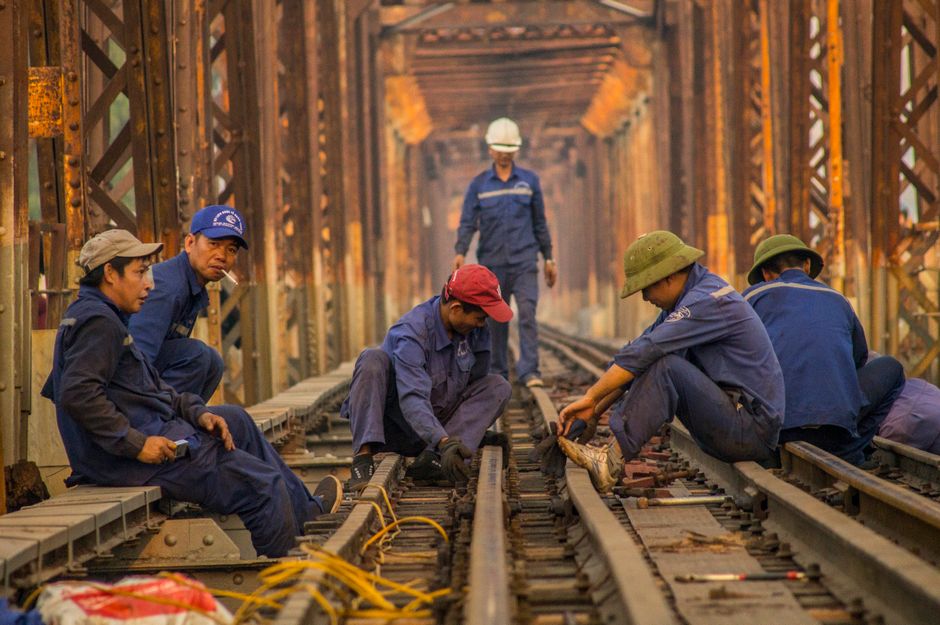

Workplace Cohesion and Operational Stability
Foreign worker cultural integration Korea requires deliberate administrative frameworks rather than informal social adaptation alone. Organizations expanding their teams across borders often face unexpected retention challenges when onboarding processes lack structured support systems.
Establishing clear communication channels from the initial hire date minimizes friction between domestic and international personnel. Human resources teams must design standardized orientation modules that address both operational duties and local workplace etiquette.
Sponsorship Workflows and Visa Alignments
Proper visa categorization forms the backbone of stable international employment arrangements within the domestic market. Employers utilize the Visa system to match candidate qualifications with specific regulatory allowances before extending formal job offers.
Misalignment between job descriptions and official entry permits can lead to severe operational delays and regulatory penalties. Companies coordinate closely with immigration authorities to verify that every incoming specialist maintains valid authorization for their assigned duties.
| Employment Stage | Employer Responsibility | Regulatory Reference |
|---|---|---|
| Pre-Hire | Verify candidate credentials and sponsorship eligibility | Ministry of Employment and Labor guidelines |
| Onboarding | Provide safety training and cultural orientation | HRD Korea standards |
| Retention | Conduct periodic performance and wage reviews | Labor Standards Act compliance |
Recruitment Pathways and Sourcing Strategy
Sourcing overseas professionals demands precise targeting through dedicated platforms that specialize in cross-border staffing. Organizations navigating this landscape frequently turn to Global Recruitment channels to identify qualified candidates efficiently.
Filtering applicants through structured screening tools ensures that only fully compliant candidates enter the final interview rounds. This rigorous evaluation protects corporate productivity and aligns with national labor policies.
Regulatory Compliance and Legal Standards
Adhering to domestic labor legislation is mandatory for any enterprise employing non-national personnel. Employers consult the Ministry of Employment and Labor to review updated employment regulations and mandatory reporting timelines.
- Wage parity: Ensuring international hires receive compensation equal to domestic peers in equivalent roles.
- Contract clarity: Translating core employment terms into languages understood by the incoming staff.
- Insurance enrollment: Registering all eligible personnel into mandatory national health and employment insurance programs.
Compensation Structures and Benefit Frameworks
Designing fair remuneration packages prevents internal friction and supports long-term retention goals. Organizations seeking specialized expertise often evaluate broader talent pools through Global Talent networks to benchmark competitive salary ranges.
Housing allowances, relocation support, and standard severance calculations must be transparently documented in every employment agreement. Clear financial terms eliminate misunderstandings during tax season and contract renewals.
Onboarding Execution and Mentorship Programs
Assigning a dedicated mentor during the first ninety days significantly accelerates professional adjustment. Human resource directors managing a Foreign Worker cohort often establish peer-support circles to encourage open dialogue.
Regular feedback sessions help identify communication barriers before they impact team deliverables. Structured check-ins demonstrate corporate commitment to employee well-being and professional growth.
Official Institutional Support and Guidelines
Accessing authorized government portals ensures corporate policies remain aligned with current legislative amendments. Institutions like HRD Korea provide valuable training resources and skill-verification programs for employers.
Leveraging these public resources reduces internal administrative burdens while maintaining strict adherence to statutory requirements. Continuous monitoring of official agency updates protects organizations from unexpected compliance risks.
자주 묻는 질문 (FAQ)
What are the primary legal requirements for hiring international personnel in Korea?
Employers must secure appropriate visa sponsorship, register employees for mandatory national insurance programs, and issue labor contracts that comply with the Labor Standards Act and Ministry of Employment and Labor guidelines.
How can HR teams improve retention among non-national staff?
Retention improves significantly when organizations implement structured onboarding programs, assign designated workplace mentors, ensure transparent compensation, and maintain open communication channels.
Where can employers find official guidance on foreign labor regulations?
Official regulatory updates and compliance guidelines are published regularly by the Ministry of Employment and Labor and HRD Korea.
What role does visa categorization play in cross-border hiring?
Visa categories dictate the permissible scope of work, duration of stay, and renewal conditions for international employees, making proper alignment essential before finalizing job offers.
Get in Touch
Have questions about your specific situation? Reach out anytime for a personal consultation.