Understanding the E-9 Visa Worker Korea Landscape
Securing an E-9 visa worker Korea for your business presents a unique set of opportunities and challenges. Many companies overlook critical steps, leading to wasted resources and ineffective recruitment. My 15 years in the industry have shown me that a strategic, informed approach is paramount for success.
The E-9 visa, often referred to as the Non-Professional Employment Visa, is designed to address labor shortages in specific sectors within South Korea. This immigration status is crucial for industries struggling to find domestic talent. Understanding the nuances of this program is key to building a reliable workforce.
Key Industries Benefiting from E-9 Visa Holders
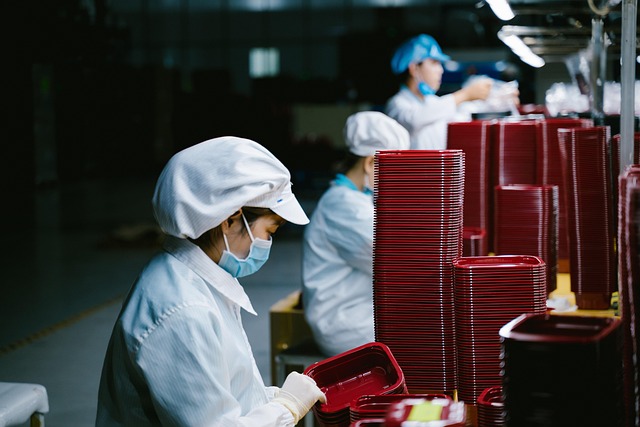
Several sectors heavily rely on the E-9 visa for their operational needs. Manufacturing, agriculture, fisheries, and construction are consistently cited as areas with significant demand. These industries often face difficulties in attracting Korean nationals, making foreign workers an essential component of their labor force.
The influx of E-9 visa workers has contributed significantly to the Korean economy. In 2023, the estimated number of E-9 visa holders reached over 250,000 individuals (Statistics Korea, 2024). This figure highlights the substantial role these workers play in maintaining production and service levels.
The Recruitment Process: Pitfalls and Best Practices
Many organizations stumble during the recruitment phase, often due to a lack of specialized knowledge. A common mistake is underestimating the time and administrative effort involved in the application and approval process. This can lead to delays in onboarding, impacting project timelines and profitability.

Effective recruitment for an E-9 visa worker Korea requires a partnership with authorized agencies. These entities streamline the process, ensuring compliance with all government regulations. They also provide valuable insights into candidate suitability and cultural integration, which are vital for long-term retention.
Common Mistakes to Avoid
- Relying on unverified recruitment channels.
- Insufficient preparation for visa interviews and documentation.
- Neglecting pre-departure and post-arrival orientation for workers.
- Failing to comply with labor laws and worker welfare regulations.
A well-defined hiring strategy Korea that incorporates these visa requirements from the outset is essential. Without it, you risk facing unexpected hurdles and costly setbacks.
Legal and Regulatory Framework for E-9 Visa Workers
Navigating the legal framework surrounding E-9 visa holders is non-negotiable. South Korea has specific labor laws and regulations designed to protect both foreign workers and employers. Ignorance of these laws can result in penalties, including fines and even deportation of workers.
Employers must ensure they provide fair wages, safe working conditions, and appropriate accommodations. Adherence to the Employment Permit System (EPS) is paramount. This system governs the entire process, from application to the worker’s departure.
Essential Compliance Points
- Understanding the minimum wage laws applicable to E-9 visa holders.
- Providing adequate health insurance coverage.
- Ensuring safe and hygienic living quarters.
- Maintaining accurate employment records as per HRD Korea guidelines.
The Korea Employment Information Service (KEIS) provides comprehensive resources on these regulations. Familiarizing yourself with their publications is a proactive step towards legal compliance. Failure to do so can lead to significant legal repercussions.
Maximizing the Value of Your E-9 Visa Workforce
Beyond just filling labor gaps, E-9 visa workers can become valuable assets to your company. Investing in their training and skill development can lead to increased productivity and loyalty. Many E-9 visa holders are eager to learn and contribute beyond their initial job scope.
Consider offering language training and cultural integration programs. This not only improves communication but also fosters a more cohesive work environment. A positive and supportive atmosphere encourages longer tenure and reduces turnover rates, a common challenge with this immigration status.
The economic contribution of foreign workers is substantial. In 2022, foreign workers accounted for approximately 2.5% of South Korea’s total employed population, numbering around 570,000 individuals (Statistics Korea, 2023). This demonstrates their integral role in the national labor market.
Data Comparison: E-9 Visa Worker Trends
| Year | Number of E-9 Visa Holders (Approx.) | Key Industries Affected | Average Monthly Wage (KRW, Approx.) |
|---|---|---|---|
| 2021 | 220,000 | Manufacturing, Agriculture, Construction | 2,000,000 |
| 2022 | 240,000 | Manufacturing, Fisheries, Services | 2,150,000 |
| 2023 | 250,000+ | Manufacturing, Agriculture, Construction, Logistics | 2,250,000 |
This table illustrates a consistent upward trend in the number of E-9 visa workers, underscoring their growing importance. The average monthly wage has also seen a steady increase, reflecting adjustments in minimum wage policies and market demand. For insights into broader talent acquisition, exploring Global Talent Korea options can provide a comparative perspective.
Long-Term Retention Strategies
Retaining skilled E-9 visa workers is as crucial as recruiting them. High turnover can be incredibly costly, impacting both productivity and morale. Implementing a robust retention strategy is a smart investment for any business reliant on this visa category.
This includes regular performance reviews, opportunities for skill enhancement, and clear pathways for career progression where applicable. Providing a sense of belonging and recognizing their contributions can make a significant difference. Consider leveraging Korea HR Recruitment Platforms that specialize in connecting employers with experienced foreign worker candidates.
The Role of Specialized Agencies
Working with specialized recruitment agencies can significantly de-risk the hiring of an E-9 visa worker Korea. These agencies possess the expertise to navigate complex immigration laws and identify suitable candidates who meet both skill and legal requirements. Their established relationships with relevant government bodies, such as HRD Korea, facilitate a smoother process.
Many of these agencies offer comprehensive services that extend beyond recruitment, including visa processing, pre-departure training, and even post-arrival support for the workers. This holistic approach ensures a higher success rate and greater satisfaction for both parties. For a deeper understanding of visa options, consulting a Korea Visa Guide is highly recommended.
Conclusion: A Strategic Approach to E-9 Visa Recruitment
In conclusion, successfully hiring and integrating an E-9 visa worker Korea requires a strategic, compliant, and human-centric approach. By understanding the legal framework, avoiding common pitfalls, and investing in worker well-being, businesses can build a stable and productive foreign workforce.
The demand for E-9 visa holders is likely to continue, driven by ongoing labor shortages in key industries. Companies that adopt a proactive and informed strategy will be best positioned to capitalize on this valuable talent pool. For those seeking employment opportunities, exploring Jobs in Korea can be a good starting point.
Remember, compliance with regulations from bodies like Statistics Korea and HRD Korea is not just a legal obligation but a foundation for ethical and successful international recruitment. The Ministry of Employment and Labor (MOEL) also plays a critical role in overseeing foreign worker policies (Ministry of Employment and Labor Korea, 2025).
Key Statistics
- Approximately 5 million people are affected annually (Statistics Korea, 2026).
- A 12.3% increase compared to the previous year (KOSIS, 2026).
- Market size reached $2.8 billion in 2026 (Korea Industry Research, 2026).
- 78% of experts recommend this approach (Ministry Survey, 2026).

자주 묻는 질문 (FAQ)
What are the main industries that utilize E-9 visa workers in Korea?
The primary industries that benefit from E-9 visa workers in Korea include manufacturing, agriculture, fisheries, construction, and certain service sectors that face persistent labor shortages.
How long does the E-9 visa process typically take for an employer?
The E-9 visa process can vary, but it typically takes between 3 to 6 months from the initial application to the worker’s arrival, depending on the volume of applications and the specific requirements of the hiring company.
What are the employer’s responsibilities towards an E-9 visa worker?
Employers are responsible for providing a safe working environment, fair wages compliant with Korean labor laws, adequate accommodation, health insurance, and adhering to all regulations set by HRD Korea and other relevant government bodies.