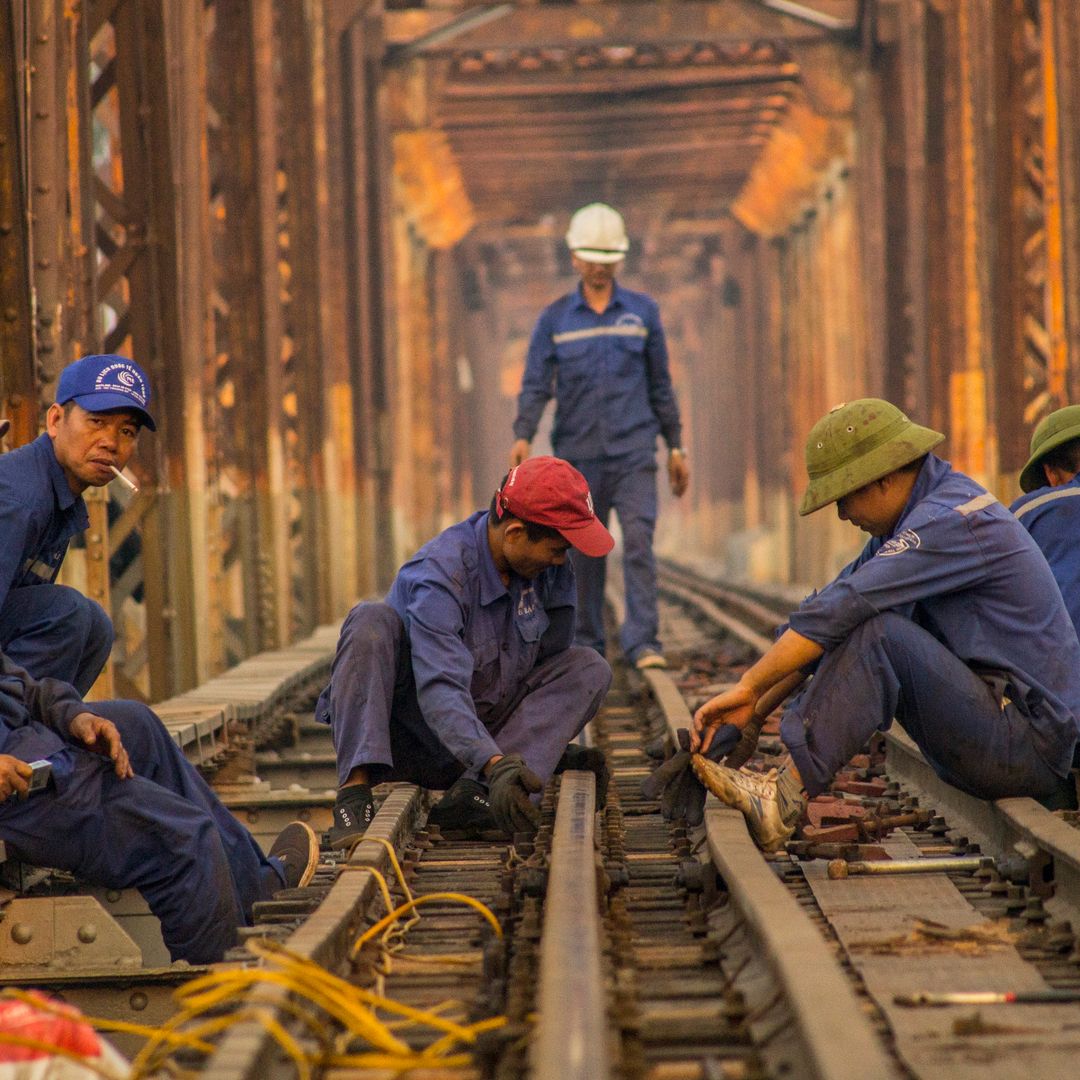
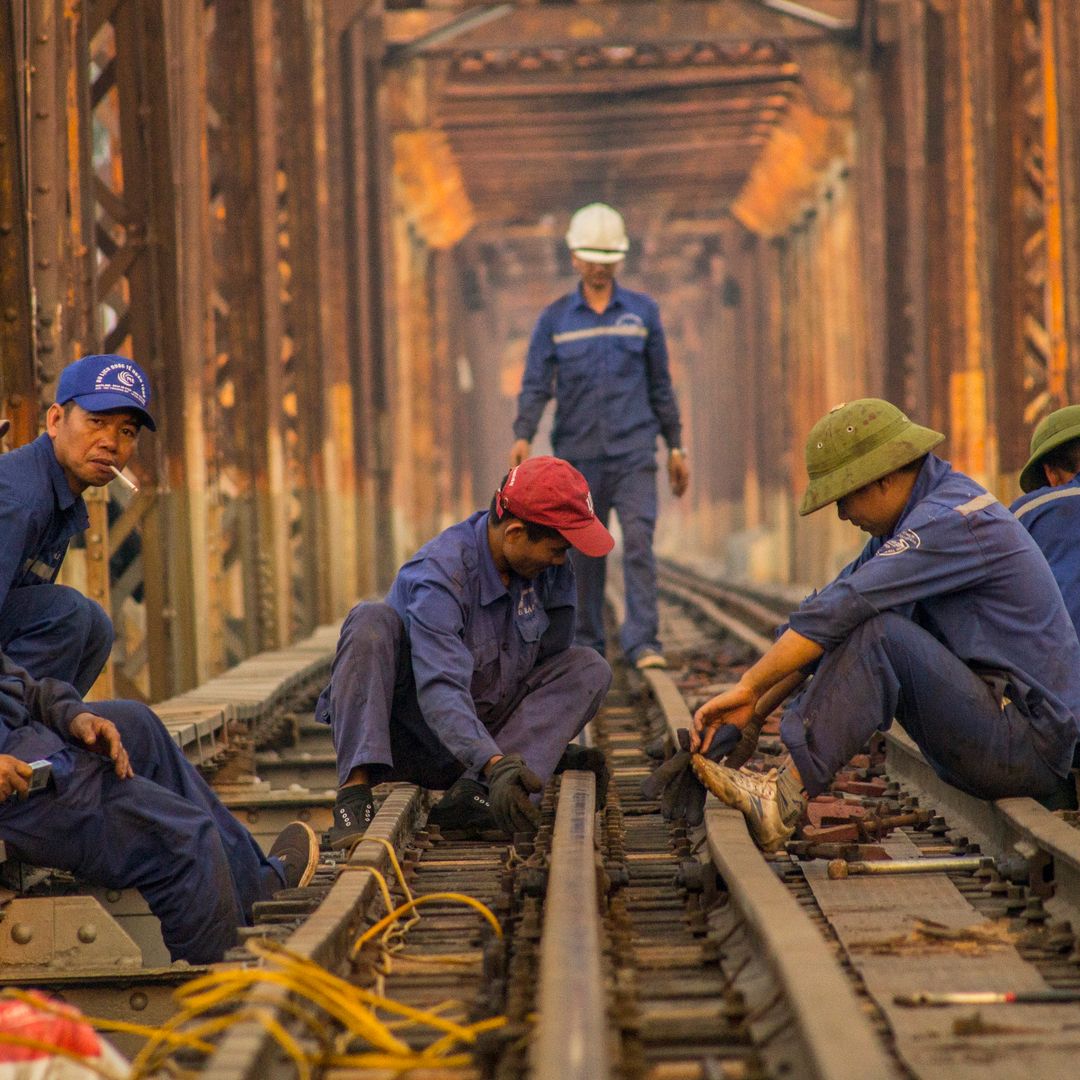
The skilled foreign workers Korea shortage presents a measurable challenge for domestic industries requiring specialized technical expertise. As the national labor market evolves, firms must adopt precise recruitment strategies to integrate international professionals effectively into their existing operational frameworks.
Addressing Industrial Labor Demands
Organizations across the manufacturing, engineering, and digital sectors increasingly rely on international personnel to fill critical gaps where local talent availability remains constrained. Establishing a clear internal mandate for Global Talent acquisition allows firms to maintain productivity levels while meeting long-term growth objectives.
- Sector Analysis: Identify specific departments where the skill gap hinders output.
- Strategic Sourcing: Utilize established international recruitment channels to identify candidates with relevant technical certifications.
- Role Alignment: Ensure job descriptions accurately reflect the linguistic and technical requirements necessary for the position.
Sponsorship and Visa Architecture
Navigating the legal framework for foreign employment in Korea requires a deep understanding of visa sub-categories, such as the E-7 (Specific Occupation) visa, which is designed for professionals with specialized skills. Employers must ensure that the sponsorship process adheres to the latest regulations provided by the Ministry of Employment and Labor (https://www.moel.go.kr/english) to avoid administrative delays.
| Visa Stage | Employer Responsibility | Key Compliance Requirement |
|---|---|---|
| Pre-Recruitment | Define role and verify skill eligibility | Ensure labor market test compliance |
| Application | Submit sponsorship documentation | Validate contract terms with immigration standards |
| Onboarding | Register for social insurance | Report commencement of work to local office |
Standardizing Recruitment and Onboarding
An efficient Global Recruitment pipeline depends on the consistent application of labor laws and corporate standards. Once a candidate is selected, the transition into the Korean workplace must be supported by structured programs that clarify expectations and professional responsibilities.
Integrating new hires effectively reduces turnover and fosters a collaborative environment. Engaging with professional Career Programs can further assist in aligning employee expectations with organizational cultural norms.
Compensation and Compliance Frameworks
Maintaining a competitive Salary structure while adhering to the Minimum Wage Act is essential for legal compliance. Employers should regularly consult the resources provided by HRD Korea (https://www.hrdkorea.or.kr/eng) to stay updated on national wage policies and mandatory contributions for foreign residents.
- Contractual Clarity: Define base pay, benefits, and working hours in a bilingual format.
- Regulatory Compliance: Verify tax withholding responsibilities and mandatory insurance enrollment.
- Periodic Audits: Review payroll systems to ensure alignment with evolving labor regulations.
Official Resources and Institutional Guidance
Continuous education regarding labor policy is necessary for human resources departments managing international staff. Reliance on official government portals ensures that internal policies remain compliant with current legislative standards, thereby mitigating legal risk during the workforce scaling process.
자주 묻는 질문 (FAQ)
What is the primary role of the Ministry of Employment and Labor in foreign hiring?
The Ministry of Employment and Labor oversees the regulation of labor conditions, compliance with minimum wage, and the administration of foreign worker employment policies to ensure fair treatment and legal integration.
How can employers determine if a candidate is eligible for an E-7 visa?
Eligibility is typically determined by the candidate’s specific technical expertise, educational background, and the employer’s ability to prove the necessity of the role based on current domestic talent shortages.
What are the mandatory insurance requirements for foreign employees?
Foreign employees are generally required to be enrolled in national social insurance programs, including the National Pension, National Health Insurance, and Industrial Accident Compensation Insurance, depending on their specific visa and contract terms.
Where should companies look for updated labor market policies?
Organizations should monitor the official websites of the Ministry of Employment and Labor and HRD Korea for the most accurate and current updates regarding labor laws and talent management.
Get in Touch
Have questions about your specific situation? Reach out anytime for a personal consultation.