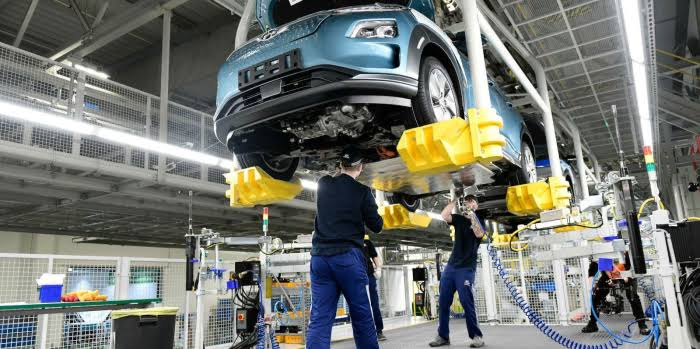
Workforce Demand in Industrial Sectors
Recent shifts in the labor market necessitate a recalibrated approach to staffing for manufacturing, agriculture, and construction firms. Expansion of the E-9 (Non-professional Employment) visa allows organizations to address persistent labor shortages through a standardized government-managed process.
Employers must align their operational needs with the specific industry caps defined by the Ministry of Employment and Labor. Understanding these limits is the first step in ensuring your Foreign Worker intake remains within legal boundaries during the selection phase.
Matching Sponsorship to Operational Requirements
Successful integration of international personnel depends on accurate classification of the required labor type. The E-9 visa is strictly designated for specific sectors, requiring businesses to verify their eligibility before initiating the recruitment workflow.
| Factor | Operational Consideration |
|---|---|
| Visa Classification | E-9 (Non-professional) vs. E-7 (Professional) |
| Sector Eligibility | Manufacturing, Agriculture, Construction, Fisheries |
| Quota Status | Subject to periodic adjustments by the Ministry |
| Sponsorship Path | Government-led (HRD Korea) vs. Corporate-led |
Streamlining the Recruitment Workflow
The recruitment process for non-professional staff is centralized through HRD Korea. Employers must engage with the designated platform to submit job postings, which are then matched against a pool of qualified international candidates.
Once a candidate is identified, the sponsorship phase begins under strict regulatory oversight. Utilizing established Career Programs can assist in preparing the necessary documentation, ensuring all filings meet the current standards set by the Ministry of Employment and Labor.
Maintaining Regulatory Compliance
Adherence to local labor laws is non-negotiable for sponsors. This includes rigorous documentation of employment contracts, mandatory insurance coverage, and compliance with workplace safety training requirements.
- Contractual Integrity: All employment agreements must clearly state the base pay and benefits to avoid violations.
- Reporting Obligations: Any change in a worker’s status or employment location must be reported to the immigration office within the prescribed window.
- Safety Standards: Employers are legally required to provide comprehensive safety training in a language understood by the staff member.
Defining the Compensation Framework
Establishing a transparent Salary structure is critical for maintaining high retention rates. Compensation must meet or exceed the national minimum wage, and additional allowances should be clearly defined in the offer letter to manage expectations from day one.
Consulting with local experts ensures that your payroll department correctly handles tax withholdings and national pension contributions. Proper financial planning prevents disputes and ensures long-term operational stability for your team.
Effective Onboarding for Long-Term Integration
The first thirty days of employment are the most influential in determining the success of your Global Talent acquisition. Structured onboarding programs reduce turnover and help employees adapt to the professional environment in Korea.
Assigning a dedicated coordinator to oversee the administrative transition can simplify the process for new hires. Focusing on both cultural integration and professional guidance creates a supportive atmosphere that encourages consistent productivity.
Accessing Official Documentation
For the most recent updates on quota adjustments or procedural changes, employers should rely exclusively on the primary portals provided by the Korean government. The Ministry of Employment and Labor provides the authoritative guidance necessary for maintaining a compliant workplace.
Regularly reviewing the HRD Korea portal ensures that your organization stays informed regarding any shifting policy mandates. These resources remain the final authority on all matters pertaining to the hiring and management of non-professional labor.
자주 묻는 질문 (FAQ)
What is the primary purpose of the E-9 visa?
The E-9 visa is intended for non-professional labor in sectors experiencing shortages, including manufacturing, agriculture, and construction.
Who manages the recruitment process for E-9 workers?
The recruitment is centralized through HRD Korea, which facilitates the matching of foreign workers with eligible industrial employers.
Are there specific salary requirements for E-9 employees?
Yes, employers must comply with the national minimum wage standards and provide all mandatory social insurance benefits as required by law.
How often are the visa quotas updated?
Quotas are adjusted periodically by the Ministry of Employment and Labor based on sectoral labor demand and national economic policy.
What is the employer’s responsibility regarding safety training?
Employers are legally mandated to provide comprehensive safety training in the language of the employee to ensure a safe work environment.
Get in Touch
Have questions about your specific situation? Reach out anytime for a personal consultation.