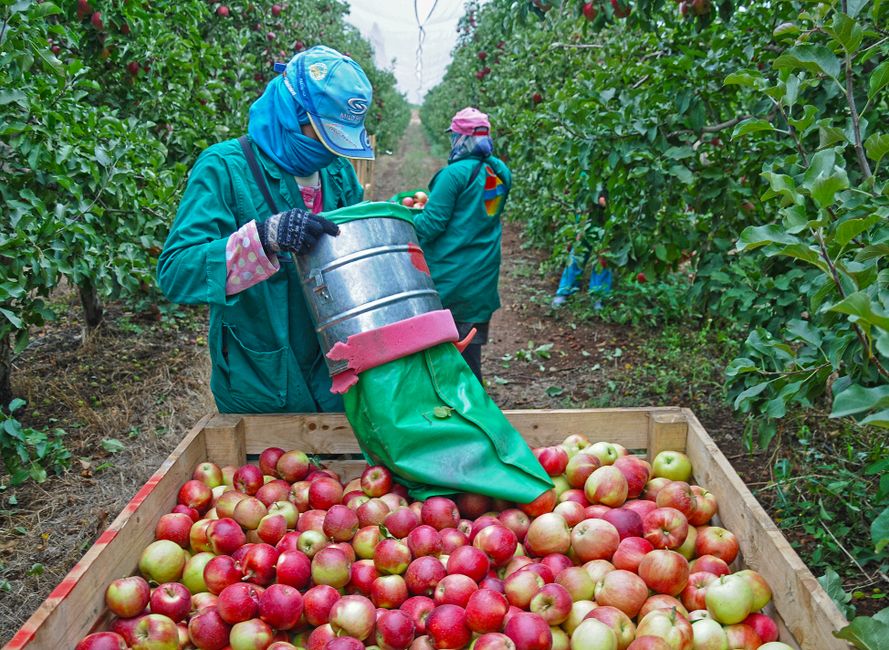
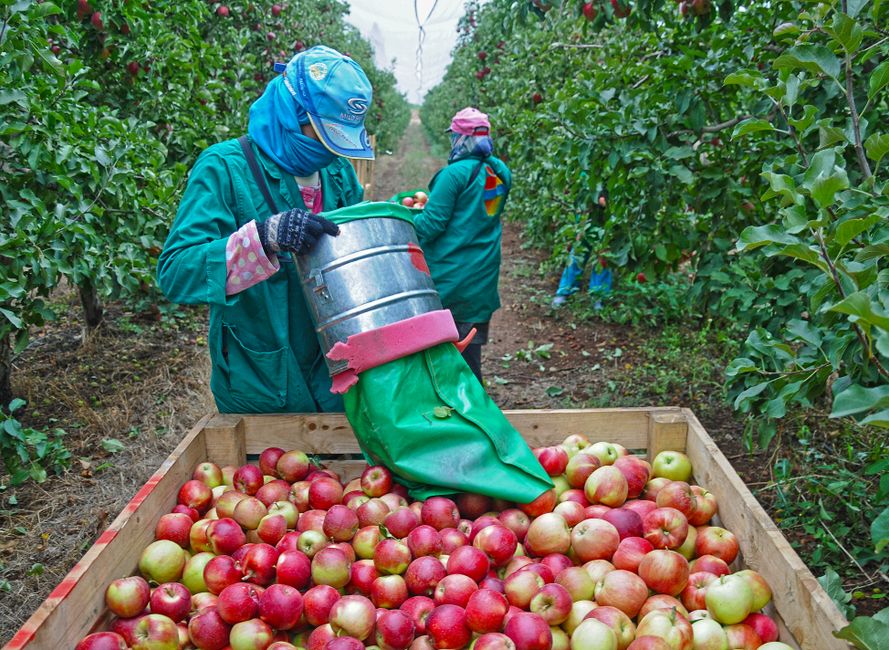
Agricultural and fisheries sectors in Korea are experiencing shifts in workforce availability following the recent E-8 seasonal worker quota increase. This policy adjustment aims to address persistent labor shortages during peak cultivation and harvest periods by allowing regional governments to facilitate the recruitment of short-term international labor. Employers managing high-intensity seasonal operations must align their administrative workflows with these updated capacity limits to maintain operational continuity.
Strategic Requirements for Seasonal Labor Acquisition
The need for temporary staff in rural regions often outpaces the local supply of domestic workers. Utilizing the seasonal visa framework allows businesses to secure reliable support for a duration of up to five months. Organizations seeking to expand their workforce through this channel must work closely with local municipal governments that act as the primary sponsors for these workers. When evaluating your Hiring strategy, consider how the current expansion impacts your ability to scale production during critical windows.
Matching Visa Categories to Operational Needs
Selecting the correct visa path is essential for long-term workforce stability. While the seasonal visa provides a temporary fix for high-volume periods, other categories may offer better solutions for year-round requirements. The following comparison highlights key differences between temporary seasonal support and standard long-term labor solutions.
| Feature | E-8 Seasonal Worker | Standard Employment (e.g., E-9) |
|---|---|---|
| Duration | Up to 5 months | 1–3 years (renewable) |
| Primary Objective | Short-term harvest/labor | Long-term production support |
| Sponsorship | Local Government | Individual Employer |
| Flexibility | High (seasonal bursts) | Low (fixed contract) |
Managing the Recruitment and Placement Lifecycle
The recruitment process begins at the local government level, where provincial authorities identify eligible foreign regions for labor supply. Employers must ensure their operational environment meets the standards set by the Ministry of Employment and Labor for workplace safety and housing. Attracting Global Talent to rural settings requires clear communication regarding living conditions and the temporary nature of the assignment.
- Pre-arrival preparation: Ensure that all housing facilities pass local inspection criteria before the arrival of the worker.
- Contract transparency: Provide clear documentation regarding hours, wage rates, and termination policies in a language the worker understands.
- Safety training: Mandatory orientation must be conducted immediately upon arrival to mitigate workplace risks.
Compliance and Regulatory Oversight
Adherence to the guidelines established by HRD Korea (https://www.hrdkorea.or.kr/eng) is non-negotiable for companies participating in seasonal programs. Violations regarding wage payments or working hours can lead to immediate suspension from the program and permanent exclusion from future sponsorship opportunities. Employers should monitor official updates from the Ministry of Employment and Labor (https://www.moel.go.kr/english) to remain informed about any adjustments to the Foreign Worker oversight protocols.
Structuring Compensation and Benefits
Seasonal staff are entitled to the legal minimum wage and basic labor protections applicable to all employees in Korea. Compensation frameworks should be finalized prior to the worker’s arrival to avoid disputes during the short tenure. If your organization is also exploring broader Jobs in Korea, keep in mind that seasonal wages must remain competitive to ensure the worker completes their contract period successfully.
Effective Onboarding and Integration
A successful onboarding process for temporary employees focuses on rapid integration into the team and specific task mastery. Since the tenure is limited, focus training efforts on essential technical tasks and safety protocols that are critical for the immediate harvest season.
- Documentation check: Verify all entry permits and health clearances within the first 24 hours.
- Cultural briefing: Provide a brief introduction to local customs and workplace expectations to facilitate smoother team cooperation.
- Feedback loops: Implement a weekly check-in process to identify issues early, preventing small misunderstandings from becoming compliance concerns.
자주 묻는 질문 (FAQ)
What is the primary purpose of the E-8 visa?
The E-8 visa is designed to provide agricultural and fisheries businesses with short-term, seasonal labor to address intense periods of harvest or production.
How does the new quota increase affect current employers?
The increase allows regional governments to approve a higher volume of foreign seasonal workers, enabling businesses to meet labor demands during peak production times.
Are employers responsible for housing these workers?
Yes, employers or the local government sponsoring the workers must provide safe and compliant housing that meets national standards.
Where can employers find official information on compliance?
Employers should regularly monitor the Ministry of Employment and Labor website and the HRD Korea portal for the most current regulatory updates.
Get in Touch
Have questions about your specific situation? Reach out anytime for a personal consultation.